My Period Vol.045 - I've been living my life while ignoring the sudden onset of strong nausea and pain during my period.
Wakana Umezu, 42, CCO, Chocolate Inc.
Menarche: 6th grade (age 11)
Current average period length: 7 days
Current average menstrual cycle: 35 days
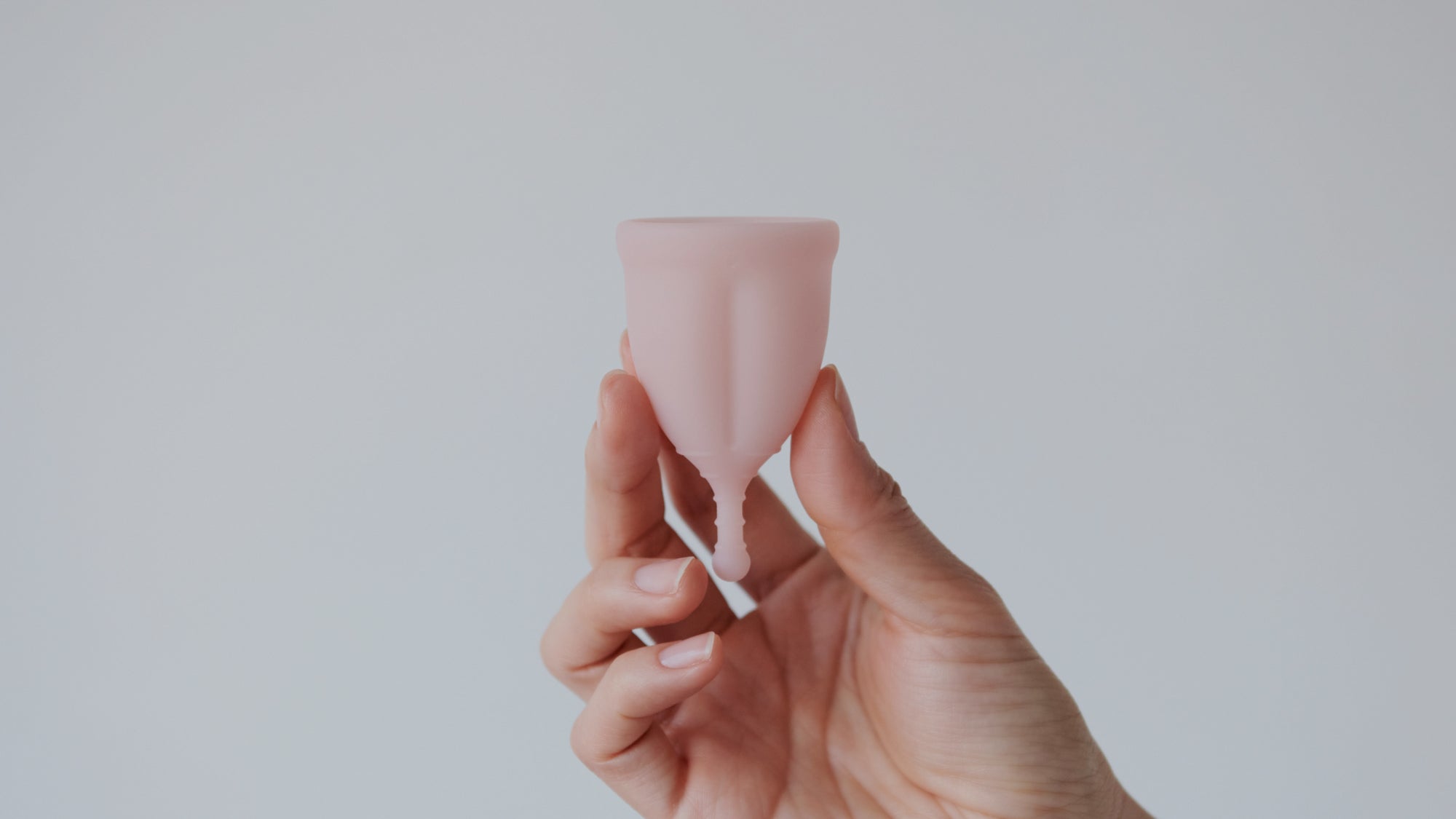
Sanitary products currently used: Menstrual cup, absorbent shorts, disposable napkins
What day is your period?
scared
What image comes to mind when you hear the word menstruation?
Don't get a stomach ache (prayer)
I had my first period in the sixth grade. At the time, it was just a runny nose.
To be honest, I don't really remember when I had my first period, but I think it was when I was in sixth grade. I think the reason I don't remember is because I didn't feel like it was a special event in my life. I didn't feel any particular emotions, like dislike or happiness.
When I first told my mother, she simply replied, "I see, if you have any problems, please let me know right away," and that was the end of it. I think I asked her a little about her period at that time, but I don't remember the details.
When I was in elementary school, I hardly remember having any problems at school, and I thought of my period like having a runny nose. The only difference was that I had to carry sanitary products with me.
When I was in junior high school, menstruation was something I found a little unpleasant.
I started having period pains when I was in junior high school.
I did have a feeling that my stomach hurt and that it was different from usual, but it was bearable, so I didn't miss any gym class and I don't think I took any medicine.
However, it was around this time that I started to feel a bit uncomfortable about periods.
It was about a 45-minute walk from my house to school. Because I was in Hokkaido, it snowed in the winter, so it was really tough. Walking long distances with a heavy backpack, combined with my period, was enough to make me feel depressed.
I didn't join any clubs, but instead joined the student council at the recommendation of my teacher. The reason I didn't join any clubs was because I wanted to get home as soon as possible and do what I liked.
Those "things I like" were studying fashion and making clothes. I've loved sewing since I was in elementary school, and I've been using a sewing machine since then. I wanted to make things that I imagined myself, and I loved spending time thinking about clothes.
When I was in high school, I encountered an entity that threatened my everyday life...
When I entered high school, my periods suddenly became heavier.
One day, at home, I suddenly felt a strong urge to throw up, and I ended up vomiting right there. I broke out into a cold sweat and had diarrhea, so I had to lie down.
My mother said, "Your feet are really cold," and stuck lots of heating pads on them and rubbed them to warm them up. But the nausea didn't stop, and I vomited about 10 times, and just when I had run out of fluids, it was as if a switch had been turned off and I fell asleep.
When I wake up after about three hours of sleep, I feel incredibly refreshed.
I suddenly experienced that period.
It didn't happen every time, at first it was about once every three months, then it became once every six months, or sometimes it didn't happen for over a year, and the intervals changed over time.
However, I was always afraid of not knowing when my period would come, so I began to be on guard every time it came.
However, I gradually began to recognize the signs in my body when I was about to vomit or collapse. When I felt very cold or tired, I had the feeling that "today might be bad." When that happened, I learned to deal with it in my own way, by going home early or not pushing myself too hard.
I had a heavy period, and rarely did a pad less than 30cm long suffice for my period.
I would often have conversations with my mother asking, "Is this enough?" or "Would it be better if it was bigger?"
Because I would sometimes experience symptoms at my part-time job, I would keep a "kit" of water, towels, and a vomiting bag in my locker, telling my staff, "Please bring this if anything happens." It was a preparation to put my mind at ease.
A change in exercise habits during college
After graduating from high school, I went on to university in Hokkaido. I had always loved clothes, so I thought I would go to a fashion school, but gradually I began to think, "Maybe I want to be on the side of moving something forward, rather than clothes themselves," so I decided to study business administration at university.
If I were to do something on my own in the future, I wanted to know how it worked, not just get a feel for it.
It wasn't until I entered university that I started exercising properly.
I started snowboarding and went there almost every day in the winter.
When I started exercising, I realized for the first time that my period changes when I get stronger. I felt like my period pain was less severe when I exercised. It was around this time that I realized through my own experience that it must be due to the influence of blood circulation and muscles.
Working adults' periods become heavier due to busy schedules and lifestyle habits
After graduating from university, I got a job in Hokkaido. It was the first time I had left my parents' home, and I started working at a small cosmetics company while living alone near the company.
The company was extremely busy, but I really enjoyed my work. It was a job that was close to manufacturing, so I came up with plans, was involved in product development for a store that I had always loved, and I felt a sense of accomplishment in seeing it take shape.
However, perhaps because I became busier, my periods became heavier again. I no longer had time to exercise like I did in college, and my life revolved around work. I think the cold and fatigue were also contributing to this.
I had told my company that I was having a heavy period. Since it was a mostly female workplace, they were understanding, and when I felt like I was going to throw up or collapse, I would just lock myself in the bathroom and wait it out.
Living in a cold place like Hokkaido, and increasingly working in cold places at work, I realized that it would be bad to ignore my period, so in my late 20s, I went to a gynecologist for the first time. I was prescribed the pill, and it definitely helped me feel better while I was taking it.
However, at the time, work was my top priority, so it was difficult to go to the hospital regularly to get the pills, and I ended up quitting halfway through. There were no online consultations like there are now, and I couldn't afford to take time off work to go to the hospital, so it wasn't a situation that allowed me to continue.
Transfer to Tokyo made things even busier
In my early 30s, I was transferred to Tokyo as the company's business expanded. With a small staff, I had a lot of new startup work to do, and I became busier than when I was in Hokkaido.
Even at work in Tokyo, I told people around me that I was having a heavy period. One day, while walking around the neighborhood near my company, I was hit with a severe stomachache, crouched on the side of the road, and somehow managed to call someone to come and pick me up.
I couldn't afford to visit a gynecologist, so at that time, every time my period came, I would pray, "I hope it won't be too bad today."
What has made life easier during the COVID-19 pandemic, and being taken to hospital by ambulance
The COVID-19 pandemic has dramatically changed the way we work. Going to the office, which was once the norm, is no longer an option, and we now spend more time working from home.
There is no need to move. There is a place nearby where you can lie down. You can eat properly.
Just doing that has definitely reduced the strain on my body, and honestly, I feel a little less anxious about my period.
The sense of security I felt knowing that I could stay here even when I had my period was something I had never felt before.
However, during this time of the coronavirus pandemic, an ambulance will be called.
That day, I had signs that my period was going to get heavier, but I was busy at work and delayed taking my medicine. As a result, I had severe abdominal pain, nausea, broke out in a cold sweat, and felt like my vision was going dark.
At home, I thought, "If this continues I'll lose consciousness, I can't do this anymore," so I called an ambulance. When I called, I was more scared of what would happen.
As I was being taken away in the ambulance, my body gradually calmed down, and by the time we arrived at the hospital, my condition had improved as if by magic, and I was filled with a sense of guilt.
Just to be sure, I went to the hospital where I arrived and saw a doctor who told me, "There are quite a few people who experience these symptoms during their period," and "It's not uncommon."
Because this incident occurred during a period when I had finally been able to carve out a little time for myself after a long, work-centered life, it felt like a powerful reminder of the reality that "no matter how well-rounded you are, things still happen when they happen."
However, I remember being surprised when the doctor told me to "take the medicine before the pain starts," thinking, "Before the pain starts?" I remember thinking that if I had gone to the hospital and consulted sooner, I might have been able to get the information I needed.
I faced my own mind and body for the first time
In my late 30s, my workload and responsibilities increased, and I felt like the strain on my mind and body was reaching its limits. One day, I became ill and had to take a month off, and during that time, I stopped to think for the first time.
I thought, "I've always put my physical and mental health on the back burner while working," and "If I carry on like this, what will happen?" I loved my job and found it rewarding. It was a period when I was forced to look at myself and realize that I had been pushing myself too hard because I loved it.
Then, in my late 30s, I decided to leave the company I had worked for for nearly 20 years since graduating from college.
To work on women's health issues
After I left the company, I looked back on my life and began to feel more strongly that, "Even though I've suffered so much from menstrual and physical issues, society hasn't changed much."
While searching for a new job, I came across a company that tackled women's health issues and joined the company. I worked there for about two years. It was here that I first learned about the mechanisms, diseases, ways of thinking, and various options unique to women.
In my late 30s, I finally learned a little about my own body. It was a very valuable experience to be able to work on conveying the feelings I had been carrying for a long time.
I left the company because I wanted to do my best and move on to the next step, until I felt like I had done everything I could here.
After that, I started a company with a colleague from my previous job. We support a variety of companies by utilizing the manufacturing, planning, and production skills we have cultivated up until now.
We bring together all of our past experiences and try them out to create something.
I finally feel like I'm choosing how I work and how I interact with my body.
Looking back on your period, what do you think now?
I wouldn't say we're getting along well yet.
I always had to deal with my period, and I think it was an opportunity for me to become more conscious of myself.
Although I know that I won't be able to completely control it, I would like to continue to live with it in a good way.
Note: "My Period" aims to provide an opportunity to think about and talk about menstruation, an issue that is often hidden, by recording and sharing how people of various generations and backgrounds have dealt with it. It does not endorse any specific products, services, or methods of coping. The content posted is based on each person's personal experience, so if you have any symptoms that concern you, please consult a medical institution.