My Period Vol.043 - Even with the busy days of raising children, I keep the pill and a menstrual cup by my side. Choosing the easy way to deal with your period
Rie, 44 years old, preparing to start a business
Menarche: 2nd year of junior high school (age 14)
Current average period length: 4 days (taking low-dose birth control pill)
Current average menstrual cycle: 28 days (on low-dose birth control pill)
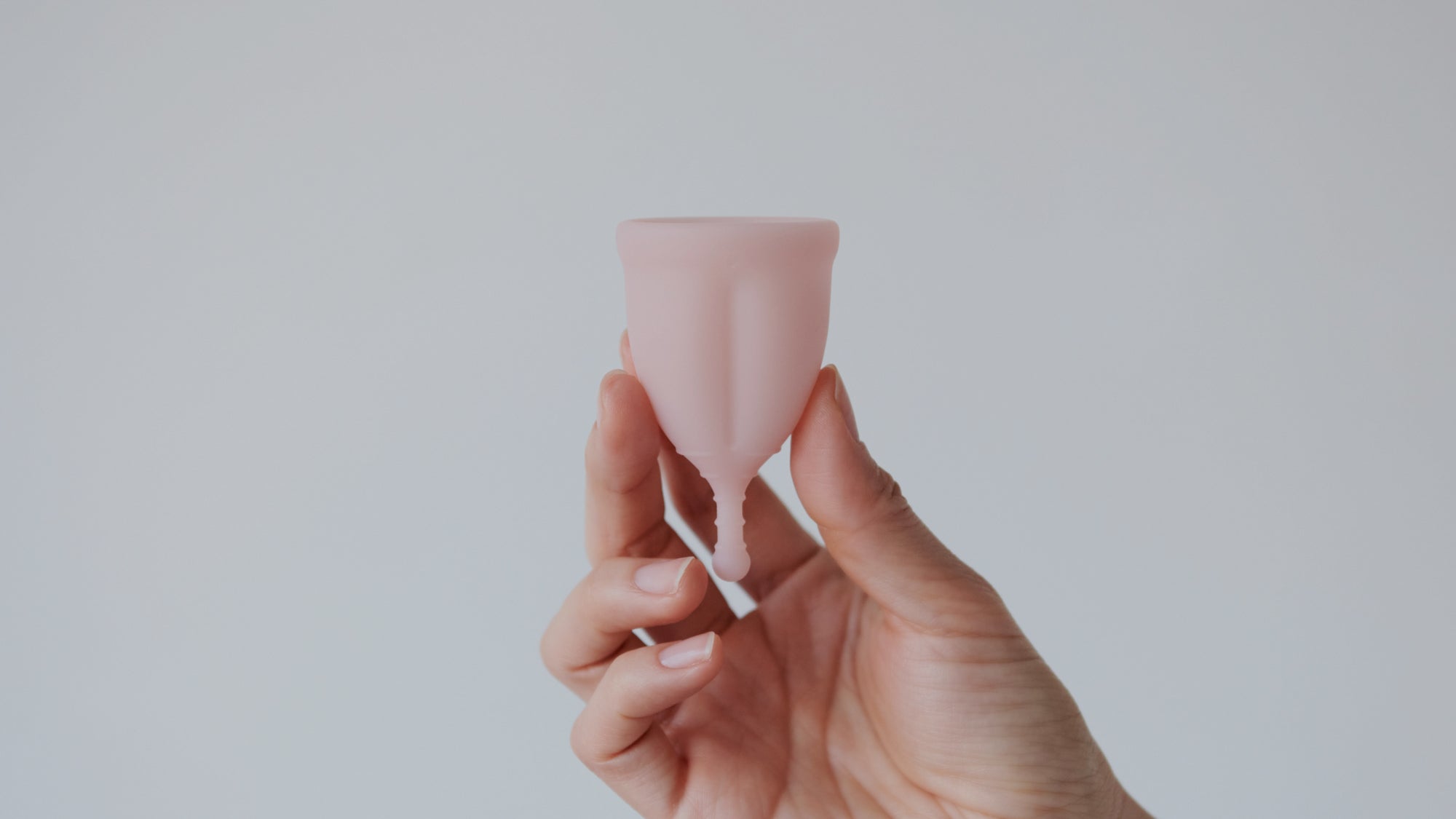
Sanitary products currently used: Menstrual cup (murmo), disposable napkins
-What day is your period?
I feel fine during my period, but before my period I sometimes feel irritable, take out my frustration on my husband, or scold my children.
-What image comes to mind when you hear the word "menstruation"?
Grumpy woman
- From here on, I'd like to look back on half of my life, focusing on menstruation. When was your first period? How do you remember it?
My first period was in the winter of my second year of junior high school. I came home from club activities and was lounging around in the kotatsu when I felt something different than usual, so I went to the bathroom. I was bleeding a lot and realized that I had started my period.
I immediately called out "Mom!" from the bathroom and told her that I had started my period. My mother gave me period shorts and pads, and I started wearing them. My friends and sister around me had already started their periods, so I felt very emotional, thinking, "My period has started too."
There was no special celebration, but I remember my mother telling me later, "I told your dad too." I remember thinking, "So you have to tell your dad about your period."
Until I got my period, I never really talked about it with my family. To begin with, sex and periods were rarely discussed at home. Even at school, I had friends who took sanitary napkins to the toilet, but we never really talked about periods and I think I just naturally accepted it as "something that happened."
At the time, I was a slow grower, short and thin, and even in my second year of junior high school, I had the build of an elementary school student. People around me would say I looked young, but I didn't really care about it.
There is just one incident that I will never forget.
When I was in the second year of junior high school, a male teacher told me in class, in front of my classmates, "Your breasts are like a chopping board." I had an older sister who went to the same school, and as her younger sister, teachers often spoke to me, so I was embarrassed to be told that, but at the time I just brushed it off, thinking, "Oh well."
This was 30 years ago, and times were different, but I still think it was a really terrible thing to say.
From the time I started menstruating until around my second year of high school, I grew about 15 to 20 centimeters taller. It felt like my growth spurt was slowly coming along with my period.
When I was in junior high school, my period wasn't too heavy or too light, and it wasn't painful at all, so I didn't have any problems. However, when I was on a school trip, I saw my friends having a hard time with their periods, and for the first time, I realized how different menstruation can be for different people.
- Did your period change in high school?
I went on to a local high school. My periods were just like they were in middle school, and I don't even remember them being a problem.
- What path did you take after that? Did you experience any changes in your body or period?
After graduating from high school, I enrolled in a vocational school for film production and moved to Tokyo. While I was a student, there were no major changes in my period, but I sometimes felt a bit heavy in my stomach. However, at that time I didn't take any painkillers, so it was just a minor pain.
There was another change. I started to feel extremely sleepy before my period. I would feel so sleepy that my period would come. This pattern continued from after I graduated from high school until my mid-20s. I think I would sometimes get irritable before my period, but I was able to contain it myself and it wasn't a big deal.
I went to a vocational school for two and a half years, then dropped out and went to Canada for a year on a working holiday. People often say that changing your environment can cause changes in your period, but I never had any irregular periods or periods. I think I was healthy.
I brought about a three-month supply of Japanese sanitary products to Canada. I asked a friend to bring the rest when she came from Japan. At the time (about 20 years ago), Canadian sanitary napkins had no wings and were quite stiff.
Shortly after returning to Japan, around the age of 23 or 24, I got a job at a company in the music industry and started my career.
-Have you noticed any changes in your period since you started working?
The biggest change was that my menstrual flow increased. Even with larger pads, I started to leak. My department was full of older men, and I felt embarrassed to have to carry a pouch full of sanitary products and go to the bathroom so often at work. I started using tampons around this time to prevent leaks and reduce the frequency of my trips to the bathroom.
I don't know what caused the increase in volume, but stress may have been a factor. I think the pressure of working in a job where you have to take responsibility for the things you create, such as running an e-commerce site, was a burden for me at 24 years old at the time. My lifestyle itself had become more regular than before, so I don't think there was anything wrong with my lifestyle itself.
Also, my period pain became a little heavier than before. It was only after I started working that I started taking painkillers. Still, it wasn't every month, and it wasn't bad enough to require a visit to the gynecologist. I'd been going to the gynecologist for annual gynecological checkups since my mid-20s. Both my mother and grandmother had suffered from gynecological diseases, so I still go for annual checkups to ensure that any issues can be detected early.
In my personal life, I got married at the age of 26. Even after marriage, both my husband and I were busy with work.
-Have you noticed any changes since you entered your 30s?
When I was about 31, I started working as a temporary employee at another company, and there I met a woman who was taking the pill for the first time. She was taking the pill because she had severe menstrual cramps and wanted to "protect her eggs." After hearing her story, I started to think about trying to get pregnant, and I wanted to have a child soon.
However, my values regarding children were different from those of my then-husband, and I came to the conclusion that "if we continue to live together without children, it would be easier to live alone," so I divorced at the age of 36.
After that, I found love, had a child, and remarried.
During my pregnancy, I didn't experience morning sickness or bleeding, and everything went smoothly. I was also grateful that I could work remotely due to the COVID-19 pandemic.
On the other hand, I was very worried about giving birth, as this was my first time at the age of 39, which is quite an advanced age. Therefore, I wanted to give birth at a well-equipped hospital, such as one with a NICU. When I inquired with a hospital, they asked about my age and said, "It's totally fine," which made me feel relieved. I chose an epidural, but ended up having a forceps delivery. I lost a lot of blood and had to have a blood transfusion, but both mother and baby were fine.
There are pros and cons about painless childbirth, but I'm glad I chose it because it felt like I was calmly waiting for the baby to come out. Because of the COVID-19 pandemic, even my husband couldn't be present, and the doctor and nurses weren't always with me, so I had a lot of time alone and was able to go at my own pace, which was great. The pain of having the stitches removed from my perineum, which was torn during childbirth, was more painful than the actual birth itself.
- Have you noticed any changes in your body since giving birth and entering your 40s?
Considering returning to work, I stopped breastfeeding after three months, and my period returned five months after giving birth.
When my period started again, I went to see a gynecologist. I hadn't thought about having a second child, and I was worried about having heavy periods while raising a small child, so I started taking low-dose birth control pills.
Thanks to the pill, my period has become much lighter and my blood flow has decreased.
About a year and a half after I started taking the pill, I was so busy at work that I couldn't find time to go to the gynecologist, and I ran out of pills and got my period. I had so much menstrual blood that it almost leaked out, and I was surprised at how much blood I had when I wasn't taking the pill. At that moment, I was reminded of how grateful I was for the pill, and somehow managed to find time to go to the gynecologist. I've been taking the pill ever since. I feel that the benefits of taking the pill are that I can clearly tell when my period will come and control the amount.
However, because I am now 44 and at high risk of thrombosis, I am taking the pill while also taking other prescribed medication. I also have my blood tested every three months to check my levels, receive dietary advice, and am currently prescribed the pill by the hospital.
Also, while I'm currently taking the pill, I'm using a Marmo menstrual cup for sanitary products. This was my first time using a Marmo menstrual cup, and it went in much easier than I expected. When you have small children, you don't have time to worry about your own period, so a menstrual cup is a great convenience.
-Looking back on your period, what do you think now?
My mother had difficulty controlling her emotions due to her period. My father was also rarely at work, so her anger was directed towards the children. Having grown up watching her like that, I was worried that the same thing would happen to me. But looking back, I'm glad that I wasn't so easily affected.
Note: "My Period" aims to provide an opportunity to think about and talk about menstruation, an issue that is often hidden, by recording and sharing how people of various generations and backgrounds have dealt with it. It does not endorse any specific products, services, or methods of coping. The content posted is based on each person's personal experience, so if you have any symptoms that concern you, please consult a medical institution.