My Period Vol.041 - I thought my period would be "no problem" but my body is still unstable. With just one choice, you can have more freedom with your period.
SM, 25 years old, graduate student
Menarche: 4th grade (age 10)
Current average period length: 6 days
Current average menstrual cycle: 37 days
Sanitary products currently used: menstrual cup (murmo), napkins, tampons
-What day is your period?
It's troublesome
-What image comes to mind when you hear the word "menstruation"?
blood
- From here on, I'd like to look back on half of my life, focusing on menstruation. When was your first period? How do you remember it?
I was in the fourth grade of elementary school, 10 years old. When I took off my underwear in the school toilet, I noticed something red and thought, "Oh, here it comes." Rather than being surprised, I think I had a stronger sense of reality that "it's finally happened to me."
I happened to see my mother's period, and because I grew up in a household with three sisters, there were books about girls' bodies in the house. Because of that environment, I had a vague idea of what menstruation was like, and I didn't think of it as something scary or a sudden change.
The bleeding was slight and didn't stain my clothes, so I went to the nurse's office that day, got some napkins, and returned to class as normal.
When I got home and told my mother that I had come, she just said, "Oh, I see," and I think she treated it as just another everyday occurrence, rather than making any special celebration.
At the time, many of my friends hadn't had their period yet, and mine was a little early, but I didn't feel anything special about it. I was able to naturally tell my close friends that my period had already started, "It's started." I remember having conversations like, "How often do you need to change your period?" and "Can you tell when it's coming?"
I never had period pains, and my cycle wasn't that irregular. I didn't keep a record, but I just had a sense of when my period would come. This was before smartphones, so I didn't really keep track of it.
In elementary school, zippered cloth cases for storing sanitary napkins were popular, and I had a bit of fun thinking about how to carry around sanitary products. There was a small world of girls, and within that, menstruation seemed like a slightly more adult topic.
During the three years of elementary school, I rarely had any problems with my period.
-Please tell me about your period when you were in junior high school.
Even after I entered junior high school, my period didn't change much. It wasn't painful, the flow wasn't too heavy, and the cycle was regular, so I didn't have any particular problems.
However, the behavior of those around me began to change little by little. Some girls had extremely heavy periods, some were worried about excessive flow, some hadn't had their period for a while... When I became a junior high school student, I realized for the first time that each person had different concerns about their period.
This isn't my story, but it made a lasting impression on me. I think it was the first day of school, and when all the students gathered in the gym for the ceremony, one of my classmates' thin summer skirts got stained bright red. At the time, the girls surrounded her and moved so she wouldn't be seen. I thought the boys might make fun of her, but that didn't happen. We were a fairly close class, so we naturally banded together and helped each other out.
When I was in junior high school, I didn't really worry about having a period, but by listening to my friends' stories and failures, I gradually began to realize that ``the same thing might happen to me someday.''
-What changes have occurred since graduating from junior high school?
I went to a local high school for students who were good at preparing for university. I joined the orchestra club, and from then on, my days were filled with studying, club activities, and cram school.
I got up early in the morning, went to school, did club activities, and then went straight to cram school. I only got about six hours of sleep every day. I had club activities on the weekends too, so I couldn't "catch up on sleep," and looking back now, I realize that I was living a physically demanding life.
But strangely enough, even with such a busy schedule, my period remained surprisingly stable. Even if my daily routine was disrupted or I didn't get enough sleep, my cycle never got significantly disrupted.
There's just one sensation that's bothered me since I was in high school. It's not in my stomach or lower back, but it's like a pain where it comes out, a thumping pain on the inside of my pubic bone. It's different from the period pains I've often heard of, and I spent my time wondering, "What is this? Is it normal for it to hurt here?" Still, it wasn't bad enough to require me to take painkillers, and I think it was just something that made me feel a bit uncomfortable.
I remember seeing my friends around me suffering from menstrual pain and irregular cycles, and thinking, "I guess I'm pretty strong," as if it was something that was happening to someone else.
At that time, I had no idea that my body would scream and change. It wasn't until I became a university student that my period started to change.
- What changes have you experienced since becoming a university student?
After graduating from high school, I entered the Faculty of Agriculture, left my parents' home and started living on my own.
The change occurred during the summer vacation of my first year of university. I went on a trip abroad and had a reversed day and night cycle. When I returned home, my period was delayed for the first time. It was a month late.
"Huh? Why isn't my child coming?" I thought that was strange at first, but since he naturally came a month late, I didn't do anything about it. I realized that my body is also affected by my environment and stress. After that, whenever I was busy with exams or pushed myself too hard at part-time work, I started to be late by a week to almost a month.
There were other changes besides my menstrual cycle. I started to experience a heavy feeling in my lower back, an overwhelming sense of sleepiness, and other menstrual discomforts. I had heard that my mother and sister were the type whose pain got worse as they grew older, so strangely, I thought, "Oh, I guess I'm going down the same path."
When I became a university student, I started working part-time at restaurants, but sometimes I had to work for six hours straight without a break, and I was always worried about not being able to change my sanitary napkins during my period. Using tampons helped ease this anxiety.
I think I started using tampons when I was in my second or third year of college, when I met up with an elementary school classmate who recommended them to me, saying, "Tampons are great."
In fact, when I was in junior high school, I once soiled my futon while staying over at a friend's house. It was just a small amount at the time, so I was able to wash it off with water, but the chilling experience and fear I felt at the time have remained somewhere in my heart like a trauma ever since.
That's why, when a friend recommended tampons to me, I didn't hesitate to try them. I was scared at first, but once I tried them, I was surprised at how comfortable they were. It was revolutionary for me to be able to avoid the anxiety of not being able to change them for long periods of time and to be free from the nighttime worries.
My experience studying abroad in the Netherlands during university further broadened my horizons. A Japanese student I became friends with was in a student group that focused on menstruation, and we had long discussions about menstruation. I was happy to have made a friend with whom I could share my concerns, and I was also blessed with the opportunity to learn more about menstruation, learning about things like absorbent underwear.
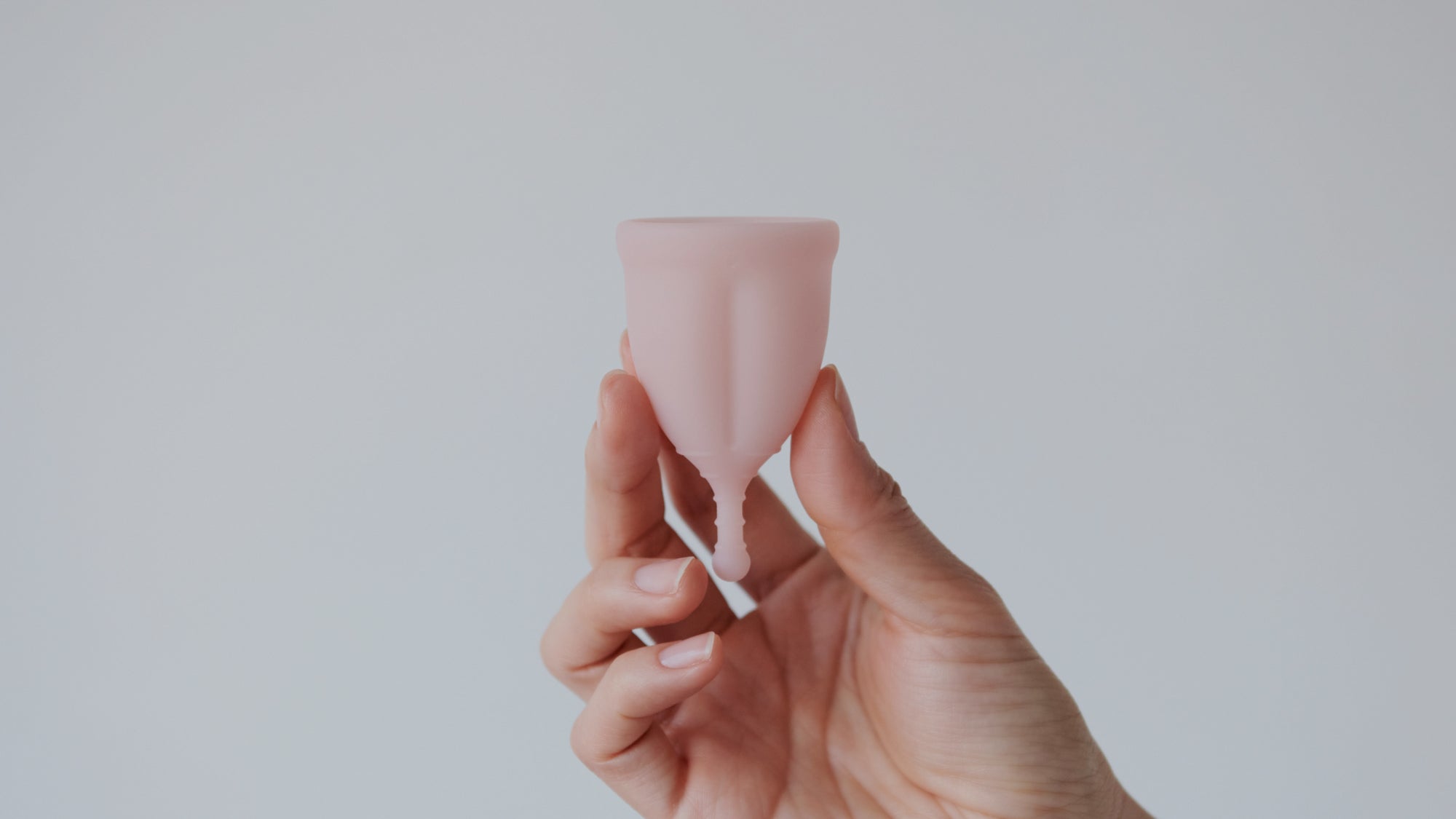
Furthermore, when I heard that someone I met there was using a menstrual cup, I thought, "Oh, there's an option like that," and became interested in menstrual cups. In the Netherlands, they were sold in drugstores.
After returning to Japan, I was introduced to a friend and applied to be a murmo monitor (a joint project between Toyo University's Toyo-MeW project and murmo), and I started using a menstrual cup, which has now become an indispensable companion for my period.
-Looking back on your period, what do you think now?
I truly believe that "it would be best if we could live freely and easily."
When it comes to periods, there's an image of them being something to hide or avoid, but I've found relief by talking openly with my friends and family. I only discovered tampons and menstrual cups because someone told me they were good for me.
"Oh, that person is doing it too." "Everyone is doing it the same way."
Just being able to think like that makes the world we live in full of anxiety a little more reassuring. That's why I hope that by telling others that "this was good for me" or letting them know about it, I can make someone's period a little easier.
Note: "My Period" aims to provide an opportunity to think about and talk about menstruation, an issue that is often hidden, by recording and sharing how people of various generations and backgrounds have dealt with it. It does not endorse any specific products, services, or methods of coping. The content posted is based on each person's personal experience, so if you have any symptoms that concern you, please consult a medical institution.