My Period Vol.040 - The heavy days become lighter. The pill and the menstrual cup changed my relationship with my period.
AW, 23 years old, graduate student
Menarche: 1st year of junior high school (12-13 years old)
Current average period length: 5 days (on the pill)
Current average menstrual cycle: 28 days (on the pill)
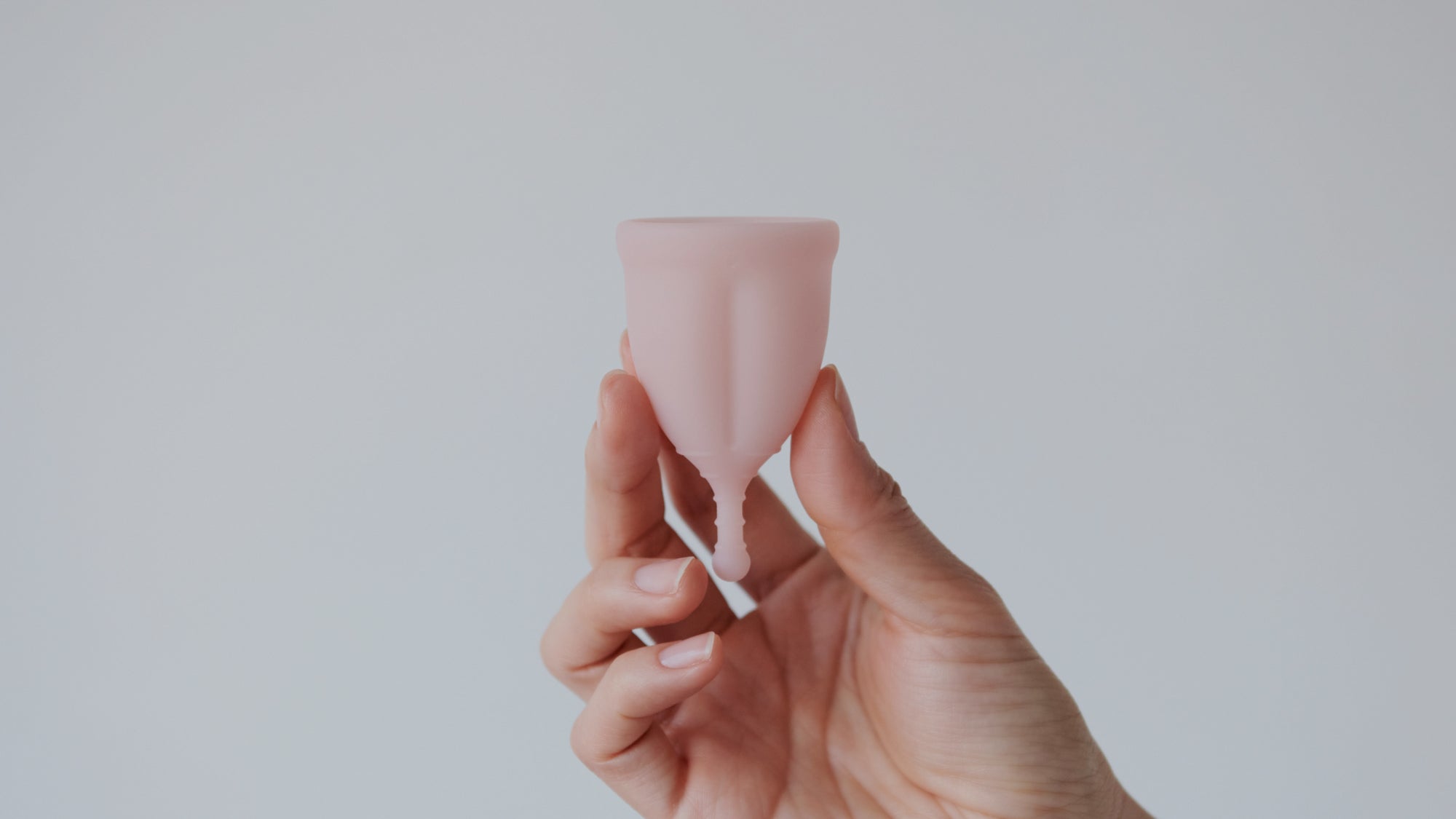
Sanitary products currently used: Menstrual cup (murmo), napkins
-What day is your period?
It's not a happy day, but it's a day that gives me a little bit of relief.
-What image comes to mind when you hear the word "menstruation"?
Heavy image
- From here on, I'd like to look back on half of my life, focusing on menstruation. When was your first period? How do you remember it?
I was in the first year of junior high school when I saw red blood on my underwear and thought, "Oh, this is my period." That was the first time I had a period. I had friends who had already started their periods in elementary school, so I remember feeling a bit relieved that it was my turn too.
I realized this when I was at home. I was embarrassed to tell my mother, and I remember her saying, "Everyone will come, so it's okay."
For a while, I only used pads. Until I got used to it, it felt really strange to wear them over my underwear, and I had to be conscious of keeping my legs closed the whole time. I remember feeling kind of uncomfortable and strange.
- Did you participate in any club activities?
In junior high school, I was a member of the Kyudo club. The Kyudo uniform is just a loose wrap, so I felt uneasy during my period. So I would wear black pants or a tracksuit over the shorts I was wearing my pad in, and I was careful to keep the pad in place even when I moved.
- Did you have any period pain?
I don't think I had much period pain at first. It didn't really affect my mental health, like making me feel depressed. However, I got a lot more acne, which I really hated. I think it was because of my hormone balance. I think I started to experience period pain when I was in my third year of junior high school and entering high school. Around this time, I started taking medicine when I had stomach pains during my period.
- What changes have occurred since you graduated from junior high school?
I went to a combined junior and senior high school, so I continued on to high school. Because it was an all-girls school, many students talked about their periods, and I was lucky in that I wasn't embarrassed by others knowing that I was on my period, or teased.
However, I tended to have a heavy flow, and regular pads would sometimes leak. There were several times when blood got on the chairs and uniforms at school, and I wondered what to do. The uniform skirt was a light color, so the blood stains were easy to see, so I dealt with it by quickly changing into a tracksuit.
Many of my friends were comfortable talking about their periods, but I wasn't the type to tell others about them, so even when I leaked, I would hide it from my friends and sneak off to the bathroom. At home, my sister and mother were also the type who didn't talk about their periods, so I had the impression that "periods aren't something to be made public." I also felt very embarrassed if I leaked, so I thought it would be safer to hide it as much as possible, as it would reduce the risk of being found out if I did leak.
I started singing (gospel) in my second year of high school, and I'm still doing it, and it was around this time that I started using tampons a lot. I was really worried about getting my costumes dirty and leaking, so I wanted to prevent leaks and reduce the frequency at which I had to change my pads. Tampons were really helpful when wearing costumes because they didn't leak as much and I didn't have to change them for long periods of time.
- Did you first use a tampon in your second year of high school?
I had used one before. I think it was when I was in junior high school. I had plans to hang out with a friend, and I didn't want to make the mistake of leaking with a pad, so I tried a tampon. I managed to get through it, but it was a little difficult, so I went back to pads for a while after that.
- Have there been any changes in your life or period since then?
I went on to university and majored in political science. The thing that surprised me the most at the time was that there were machines in the toilet stalls that distributed sanitary napkins. If you watched the advertisements projected on the machine, you would receive a sanitary napkin. This gave me the peace of mind that even if my period suddenly came, knowing that there would be sanitary napkins in that bathroom was a great help. Since I was living at home, I used sanitary products purchased by my family.
Another change I noticed was that when my period started, I started to feel more heavy in my stomach, and I often had to take painkillers on the second and third days of my period.
I also suffered from acne that never went away. Hoping to do something about it, I went to a dermatologist, but although the medicine they prescribed was effective on the existing acne, new acne just kept appearing, so it wasn't a fundamental treatment.
Severe period pain, anxiety about not knowing when my period would come, and my acne problems led me to start taking the pill in my third year of university. I went to a gynecologist and was prescribed the pill. I didn't experience any side effects, and the first type worked well. After I started taking the pill, I saw some welcome changes: my acne calmed down and my period pain lessened.
- Was this your first visit to a gynecologist?
Until then, even though I was troubled by period pain and heavy menstrual flow, I had never considered visiting a gynecologist. I had no knowledge of low-dose birth control pills or PMS, and I didn't know that going to the hospital would make the symptoms less severe, so I didn't talk to my family about it and just accepted it on my own, thinking "that's just the way it is," and endured it.
I started taking the pill in my third year of university and am still taking it. Speaking of pills, I have also purchased them overseas.
-Have you lived overseas?
Starting in the summer of my third year of university, I spent 10 months studying abroad in Barcelona, Spain as part of a university exchange program.
I had been taking the pill before I left, so I continued taking it while studying abroad. In Spain, the pill can be purchased at pharmacies without a prescription, so I didn't have to go to a local hospital. I just told the pharmacist what ingredients I was taking in Japan and purchased the same dosage every month. I didn't experience any abnormalities in my body.
- Did you purchase sanitary products locally?
No, I brought a lot of sanitary napkins from Japan, so I didn't buy any locally. As for sanitary products, I wasn't sure if the local products would be reliable, so I brought a 10-month supply in ziplock bags and lived on sanitary napkins alone.
- You participated in the Toyo-MeW project and the murmo project.
After returning to Japan, during my fourth year at university, I was introduced to a friend at Toyo University and participated in a monitor project for Murmo's menstrual cup. I met her during a study abroad program. Although we are in different fields of expertise, I respect her very much as a colleague who helps us grow. When I heard about her project on menstruation and women's issues, I was eager to help out, so I applied to be a monitor.
When I first used a menstrual cup, my first thought was, "It's so convenient and eco-friendly." Tampons can be used, but they have to be thrown away, and the same goes for pads. After using one, I honestly wondered, "Why aren't they more widespread?"
I had heard about menstrual cups from the internet and from friends, but this was the first time I had actually seen one and tried one out. Even though I had heard about them, it wasn't like I just bought one like I would a tampon.
The pill has made my period regular, and now I mainly use a menstrual cup and pads together to feel comfortable.
-Looking back on your period, what do you think now?
I've had a lot of different experiences, such as taking the pill, using tampons and menstrual cups, and I feel like I'm finally able to deal with my period without any negative feelings.
If I could go back in time, I would have told my daughter sooner that "it's better to take the pill" and "there's this wonderful thing called a menstrual cup."
If I had known then, I might have tried more comfortable options sooner, and perhaps I would have been able to confide my concerns. Looking back, I strongly feel that it would be great if more people, including young people who are currently worried about their periods, had access to this kind of information.
Note: "My Period" aims to provide an opportunity to think about and talk about menstruation, an issue that is often hidden, by recording and sharing how people of various generations and backgrounds have dealt with it. It does not endorse any specific products, services, or methods of coping. The content posted is based on each person's personal experience, so if you have any symptoms that concern you, please consult a medical institution.