My Period Vol.038 - Back when I thought amenorrhea was "lucky" After undergoing treatment for polycystic ovary syndrome, I realized the importance of education
Mari, 31 years old, marketer
Menarche: 2nd year of junior high school (age 14)
Current average period length: 7 days
Current average menstrual cycle: irregular (e.g., 60 days)
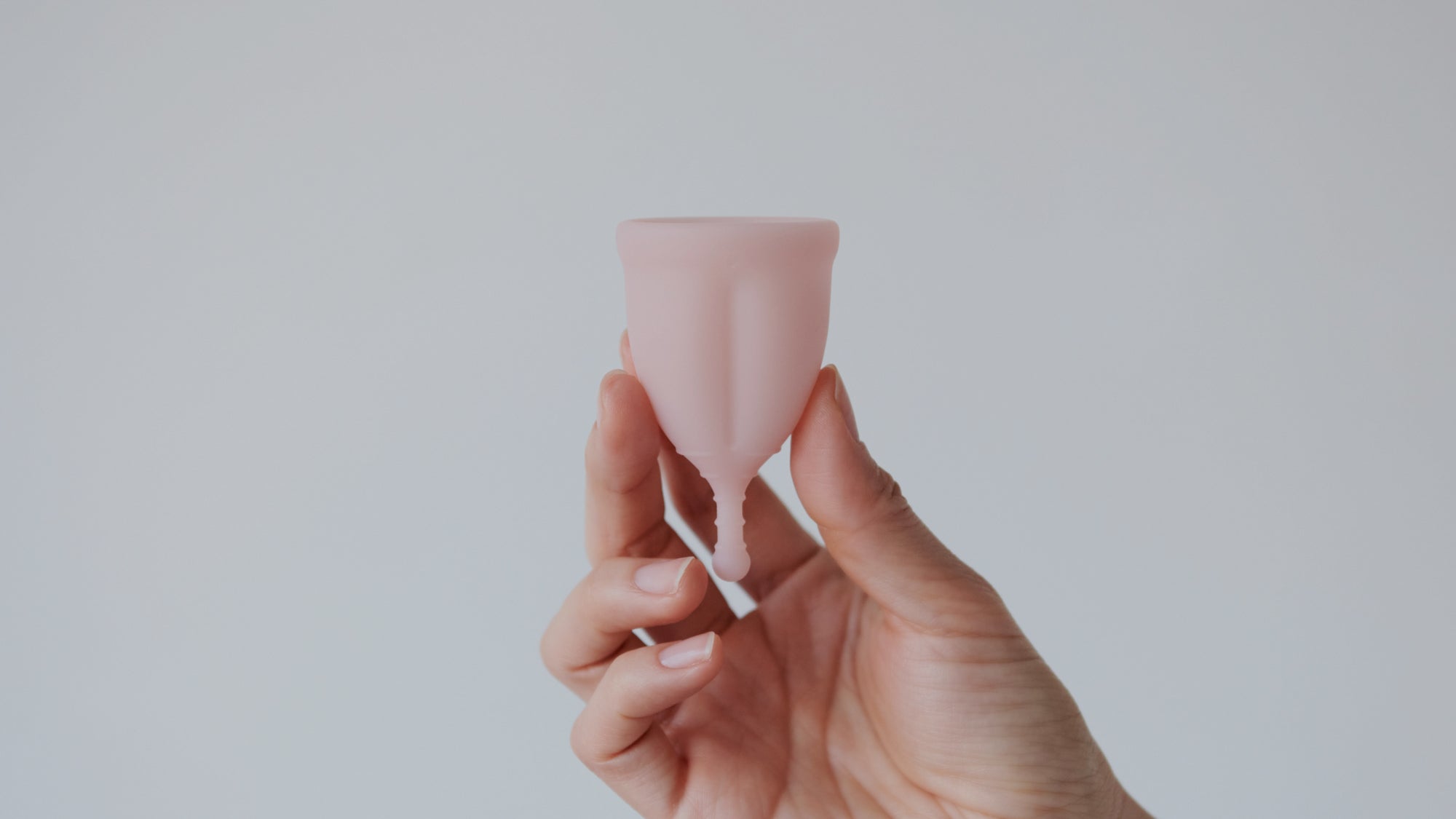
Sanitary products currently used: menstrual cup (murmo), organic cotton napkins, panty liners
-What day is your period?
Discomfort (stomach ache, smell, stuffiness)
-What image comes to mind when you hear the word "menstruation"?
What is important for women to live
- From here on, I'd like to look back on half of my life, focusing on menstruation. When was your first period? How do you remember it?
I had my first period when I was 14, in the second year of junior high school. I lived in the Philippines from the first to fourth years of elementary school, then moved to Hong Kong from the fifth year of elementary school, where I attended a local Japanese school and an international school for junior high school.
However, I don't remember learning about menstruation at either school. It wasn't taught in detail in health and physical education classes at the Japanese school, and it was the same at the international school. I never talked about menstruation with my friends, so I thought it wasn't something that concerned me.
In the midst of all this, I got my first period when one day I noticed blood on my panties and realized, "Oh, I'm getting my period too." Although I had heard from my mother that "women have periods," I had no specific knowledge about the types of sanitary napkins, how to use them, or the amount of menstrual blood I would get; I just saw my mother using them and thought, "Oh, so that's what they are."
My first period was very light, and then it completely stopped. At the time, I didn't know that amenorrhea, where periods stop, was something to be careful about, so I thought, "It's so easy that I don't have a period," and "I'm lucky I can go to the pool and exercise."
- How did you spend your time in high school?
I returned to Japan in my third year of junior high school, and when I entered high school, I told my parents that I hadn't had a period since my first period. They said, "That's not good. Why didn't you talk to us about it sooner? Go see a gynecologist." So I went to a gynecologist for the first time. I was diagnosed with "polycystic ovary syndrome." They explained that it was a condition in which many small follicles had formed in the ovaries, making it difficult to ovulate.
I then began treatment to artificially induce menstruation using hormones. At first, I took two types of hormones, alternating between them, but then switched to the pill. My periods came regularly while I was taking the medication, but once I stopped, they stopped coming. If I couldn't come to the hospital during exam periods, my periods would sometimes just stop.
When I received the diagnosis, I was shocked and thought, "Maybe my feminine functions are impaired." My friends around me had their periods naturally, but mine only came if I took medication. I was worried about forcing my period with medication, and I hoped that one day my period would come naturally.
I studied ballet all through my school days, and in an environment where a slim figure was considered desirable, I restricted my diet to avoid gaining weight. Because I continued to eat little but exercise a lot, I remained underweight, and looking back now, I think that this affected my period.
- What path did you take after graduating from high school? Did your period change?
After graduating from high school, I went on to college. Even during my time at university, my period didn't come on its own, so I basically used birth control pills to induce it. When I went to Hawaii for a long-term study abroad program, I went to a gynecologist there and received the same diagnosis, but was prescribed a different birth control pill than the one prescribed in Japan. However, the birth control pill didn't agree with my body, and I experienced side effects such as severe fatigue and weight gain, so I stopped taking it.
After returning to Japan, I became reluctant to go to the hospital, and started to make my own decisions, thinking, "If my period doesn't come for three months, I'll go to the gynecologist." In the end, I hardly went to the gynecologist during the latter half of my university years, and my period never came naturally. At the time, there were hardly any systems in place to get prescriptions for birth control pills online like there are today, so it was difficult to maintain ongoing care.
- What changes have you experienced since entering the workforce?
Even after I joined a company in Tokyo as a new graduate, my period did not come, so I ignored it. Every time I had a health checkup, I was told to see a gynecologist, but I often put it off because I was busy.
A big change occurred when I changed jobs at the age of 25 and started working at a company dealing in inner care and organic products. I started taking health foods recommended by a colleague, and to my surprise, my period started coming on its own.
I remember being thrilled that for the first time I had my period on my own, without relying on medication, and telling my parents about it. From that point on, I started using organic cotton pads, and became more conscious of "carefully choosing the things that touch my body."
- How did changes in your work and lifestyle affect your period after that?
When I changed jobs to a PR position at the age of 29, my busy schedule and irregular lifestyle caused my period to stop again. However, if I gave my body proper rest and incorporated inner care, my period would come again. I realized that my body responds honestly.
During this period, I was recommended a certain herb, and after taking it, my period started coming regularly again, and I spent my days searching for ways to improve my physical condition.
- Please tell us about your recent health and menstrual cycle.
Last year, I was rushed to hospital due to bleeding from my left ovary. Blood accumulated in my abdominal cavity and I was on the verge of needing surgery, but fortunately it stopped naturally and I was fine. Tests since then have shown no abnormalities and I am currently not experiencing any major problems.
I have now stopped taking the herbs I was taking, I am no longer taking the pill, and my period is about once every two months.
I started using a menstrual cup about six months ago, and I discovered that my menstrual flow isn't as heavy as I thought it would be. Even after leaving the cup in for nearly 12 hours, the blood didn't overflow, and when I removed it and saw the blood that had accumulated in the cup, I was able to get an objective understanding for the first time. I also learned that the texture of menstrual blood changes depending on my physical condition, and it's been a very useful tool for getting to know my body. It was a great realization for me to learn about the state of my body, something I couldn't understand subjectively.
-Looking back on your period, what do you think now?
Looking back, I think that not receiving proper education about menstruation in my childhood may have led to illness and long-term discomfort. If I had learned earlier the obvious fact that "not having a period is abnormal and you should see a gynecologist," my future might have been different.
That's why I strongly believe it's important to have a place where people can learn about menstruation and intimate care from a young age. I also believe that it's important to have an environment where people can talk openly about these things with their friends even after they become adults.
Note: "My Period" aims to provide an opportunity to think about and talk about menstruation, an issue that is often hidden, by recording and sharing how people of various generations and backgrounds have dealt with it. It does not endorse any specific products, services, or methods of coping. The content posted is based on each person's personal experience, so if you have any symptoms that concern you, please consult a medical institution.