My Period Vol.037 - A story of my period and career, which has changed with an irregular work schedule and multiple births
Naosumi Okayasu, 43 years old, nurse therapist
Menarche: 3rd year of junior high school (age 14)
Current average period length: 5 days
Current average menstrual cycle: 28 days
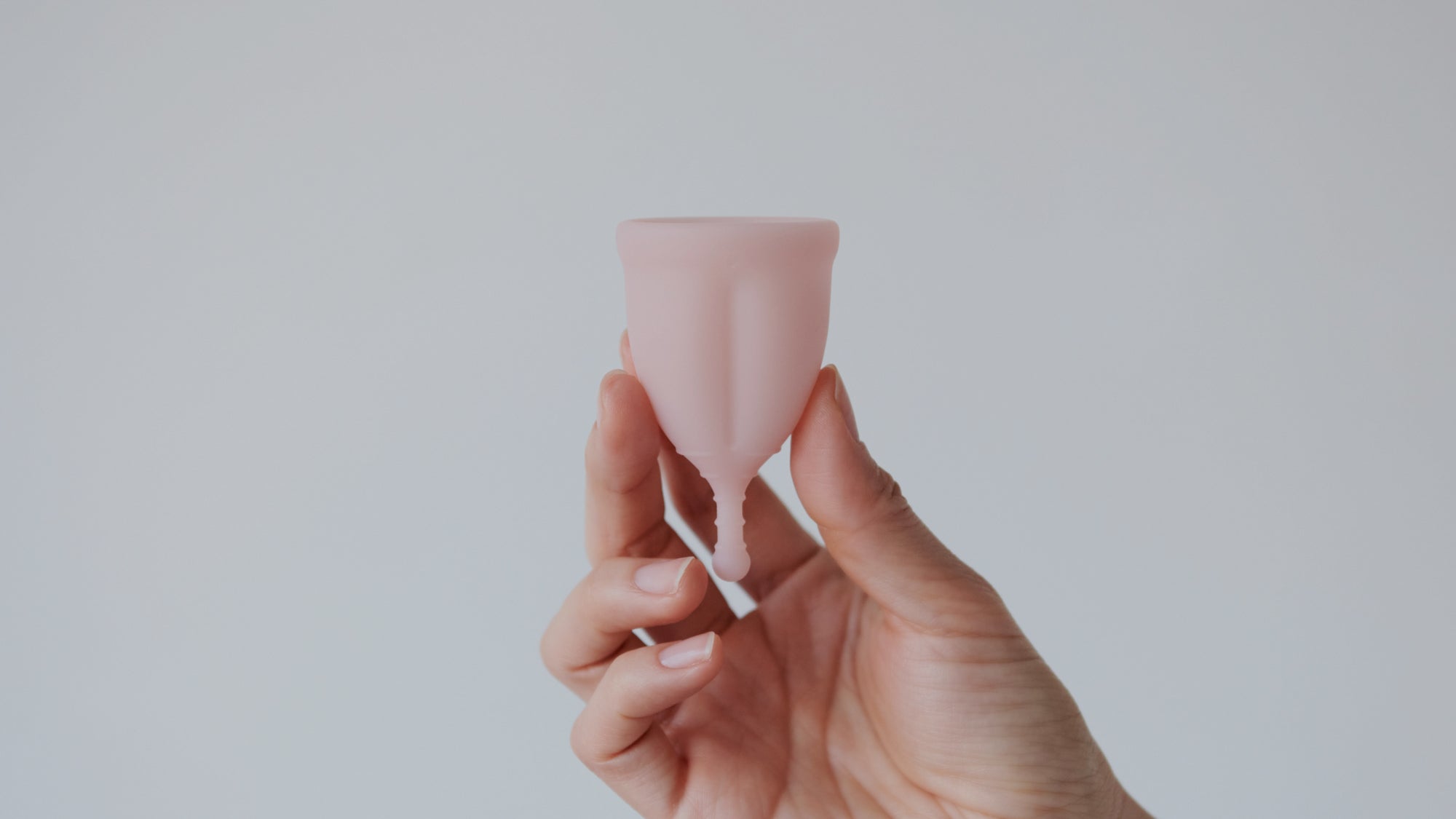
Sanitary products currently used: Menstrual cup (murmo), organic cotton napkins
-What day is your period?
An ordinary day
-What image comes to mind when you hear the word "menstruation"?
health
- From here on, I'd like to look back on half of my life, focusing on menstruation. When was your first period? How do you remember it?
I had my first period in October of my third year of junior high school, when I was 14 years old. I remember noticing blood on my underwear in the school bathroom and thinking, "Oh, it's finally here." I have two older sisters, and my mother had told me about periods, so I knew right away. But that day I only had one sanitary napkin, so I asked a friend for some.
Until then, I had always wondered if I would never get my period. My friends around me were starting their periods one after the other, but mine wasn't, so I sometimes wondered if maybe I was a boy. At first, I was able to tell my friends that I hadn't gotten my period yet, but when I was the last one left, I felt too embarrassed to say anything, and I just went along with everyone's conversations about how periods are painful, without really understanding what they meant. So when my period finally came, I was relieved.
When I got home and told my mother, she said, "I knew it." Apparently, she had noticed brownish discharge on my underwear a little while before and realized it was almost time. We didn't have any special celebrations like red rice or anything, but it was just normal in our household.
I didn't have any period pains, and my cycle was regular. My flow wasn't too heavy, so it was a very smooth start. I'd been playing basketball for a long time, so I had very little body fat. At the time, I was 160cm tall and weighed only 38-39kg, so I think I had too little body fat and my period didn't come. Looking back, it makes sense that I finally got my first period after I retired from club activities and gained some weight.
-What was your period like in high school?
My periods continued to be regular and painless throughout high school, but the biggest change was using tampons for the first time.
At the time, I was obsessed with getting a tan, so I would often go to the beach or pool from spring to summer, and I also went to tanning salons. This made my period a real inconvenience, and then a friend recommended tampons to me.
I asked my mother about it before I tried it, but she wasn't too keen on it, thinking, "What's the point of using tampons if you're a virgin?" But I wanted to give it a try, so I gave it a go.
I quickly got used to them and found them comfortable, so I started using a combination of tampons and pads to get through my period.
There's one thing I vividly remember about tampons. That was the one time I forgot to take out a tampon. I completely forgot I had one in, and when I went to put in a new one, I felt something strange. I thought it was strange, but I left it as it was. Then, when I had my bowel movement, the old tampon came out with it, and I was really surprised. Fortunately, I didn't feel any physical discomfort, but it was a scary experience even now when I think about it.
- After that, was there a turning point in your life or period?
I dropped out of high school after one year. This was due to my relationship with my parents and the feeling that there was no point in me staying there. I started living alone and worked multiple part-time jobs. I also worked as a waitress at a bar, and it was a time when I was desperately trying to make ends meet. Around that time, my daily rhythm became disrupted and I started to experience period pains.
After that, I decided that I needed a high school diploma after all, so I transferred at the age of 17. I paid for my tuition while working and somehow managed to graduate.
After graduating, I got a job at a construction company and initially worked in administration, but I wanted to get some physical activity, so I applied to become a site supervisor. I went to home renovation sites and dealt with customers.
It was a male-dominated world, but I asked my company to provide sanitary boxes, and I also borrowed toilets from customers' homes and convenience stores when I was working. When temporary toilets were the only option, they were the squat type and very uncomfortable, so I tried to avoid using them as much as possible.
At that time, I was working really hard, but I developed alopecia areata and was rushed to the hospital with acute gastroenteritis, and my doctor told me to stop working when I was in my early 20s.I felt that if I continued like this, I would break down, so I decided to quit my job.
- What happened after that?
After that, I got a job as a caregiver. I became interested in the world of caregiving because I was involved in designing barrier-free housing, so I got qualified and started working at a care facility. I really enjoyed my work, but it also involved night shifts, which were very hard on my body. After a night shift, I would have severe menstrual cramps, and I often had to take medicine to suppress them.
After that, I returned to the construction industry, but when I was 24, I met my husband on a holiday in Italy and we got married. Soon after, I found out I was pregnant and left my construction job.
- How has your period changed since giving birth?
I gave birth to my first child at 24, my second at 25, and my third at 27. My first and second children were born one year apart, and my third child was two years apart. Even after giving birth, my period returned quickly, about two months after giving birth. Even though I was breastfeeding, I was like, "Has it come already?"
However, after giving birth, my period pain became much lighter. Before pregnancy, night shifts and an irregular lifestyle made the pain worse, but after giving birth, I was able to get by without taking medication, and I felt much better.
Raising children was difficult, but as the number of children increased, I naturally began to relax and realize that I had to compromise in order to survive, and I actually began to enjoy life more.
-After that, you decided to become a nurse.
I enrolled in nursing school when my third child was 9 months old. The main reason was that I felt I lacked knowledge while working as a caregiver, and I thought that being a nurse was something I could work for the rest of my life.
Balancing child-rearing and studying was extremely difficult, and during my internship I sometimes only got two to three hours of sleep a week. Still, the pride of "going to school while raising a child" gave me strength.
After graduating from nursing school in four years, I got a job at a general hospital, where I worked for nearly 10 years. I had to work night shifts six to eight times a month, which was physically demanding, but I managed to get through it by getting my children to use family support.
I gave birth to my fourth child at the age of 35. It was difficult because I was working at a general hospital during pregnancy and childbirth, and was in a position of responsibility, but once again I was helped by the support of those around me.
When I was around 40, I started to experience poor health and wanted to pursue a new career, so I decided to retire.
- What happened after you turned 40?
After I retired, I started to receive more and more consultations about women's physical and menstrual problems, which led me to want to create a place where I could receive gynecological consultations, and so I started a salon specializing in women.The salon serves women of all ages and provides support for issues such as hormone fluctuations, trying to conceive, and menopause.
Currently, while running the salon, I am also using my experience as a nurse to support the careers of my junior colleagues and help them open their own salons.
-Looking back on your period, what do you think now?
I've always had a regular cycle, which I think has been a major support in my life. It was easy to time my pregnancy, and the pain after giving birth was less, which was one of the reasons I was able to approach child-rearing in a positive way.
On the other hand, I have come to strongly feel the connection between lifestyle rhythms and menstruation, such as how night shifts and irregular lifestyles can worsen menstrual pain.
I think I've been able to face my body because I have periods. I want to continue to face my body and get along with it without forcing myself.
Note: "My Period" aims to provide an opportunity to think about and talk about menstruation, an issue that is often hidden, by recording and sharing how people of various generations and backgrounds have dealt with it. It does not endorse any specific products, services, or methods of coping. The content posted is based on each person's personal experience, so if you have any symptoms that concern you, please consult a medical institution.