My Period Vol.034 - Cervical dysplasia in my early 20s progressed from mild to moderate to severe, and I learned the importance of facing my body through surgery
Erika, 31 years old, entrepreneur
Menarche: 2nd year of junior high school (age 14)
Current average period length: 5 days
Current average menstrual cycle: 28 days
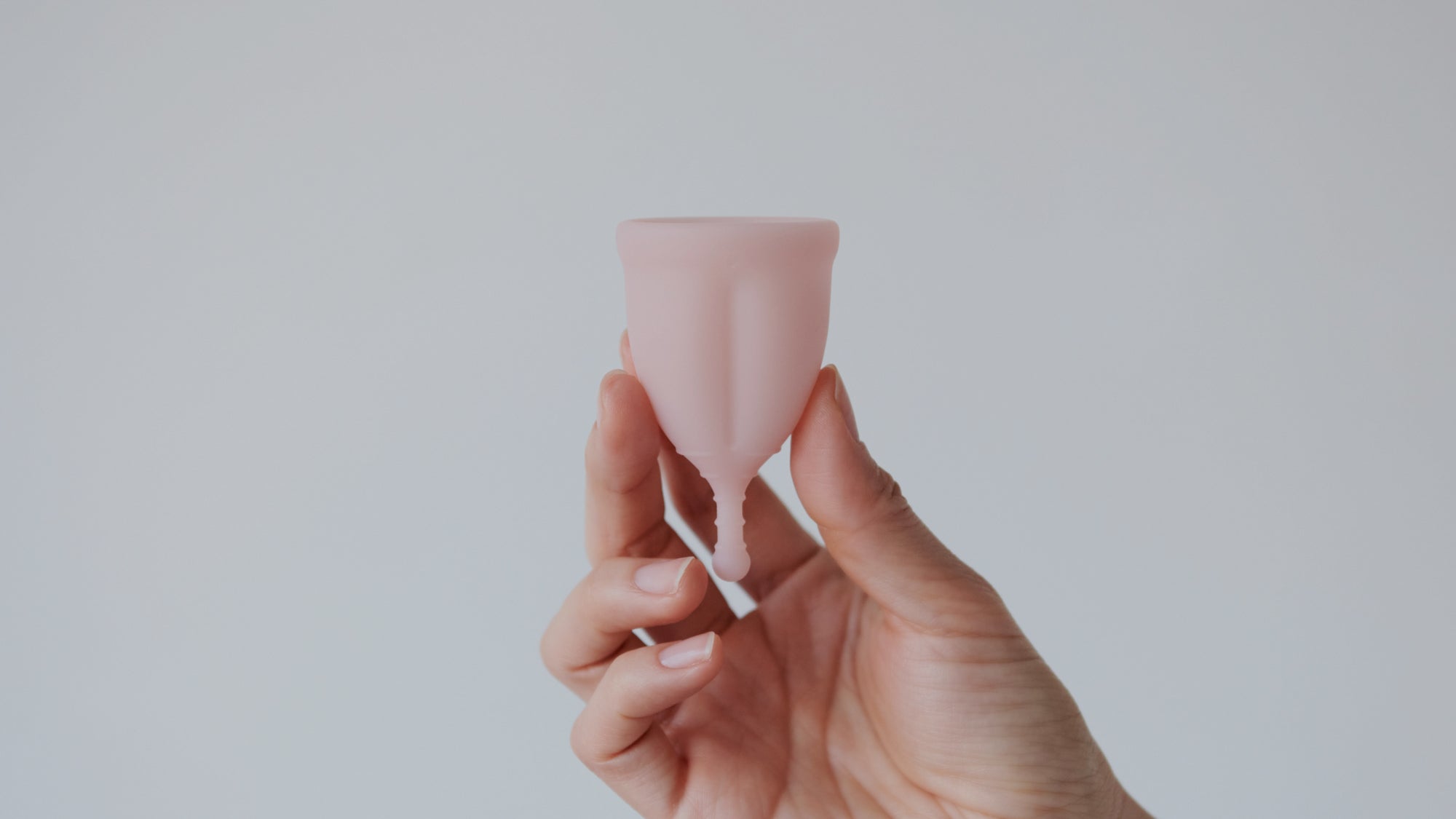
Sanitary products currently used: organic cotton napkins, menstrual cup (murmo)
-What day is your period?
Detox Day
-What image comes to mind when you hear the word "menstruation"?
Worried about bleeding
- From here on, I'd like to look back on half of my life, focusing on menstruation. When was your first period? How do you remember it?
I got my first period when I was in the second year of junior high school. I knew it was coming soon, so when it actually did come, I was relieved and thought, "That's good, it's my period too." However, when my mother brought out red rice, I felt embarrassed and uncomfortable, thinking that the whole family had just heard about my period. When I later confided in my sister about it, she said, "That's how it is," and "That was the same for me," and I remember thinking, "I was just worrying too much."
-Do you remember anything about your period when you were in junior high school?
Perhaps inheriting my mother's constitution, I had very heavy menstrual flow and often had blood clots. I was in club activities in elementary and junior high school, practicing outside from morning until night, so it was difficult to access the toilet when we were on the field. I was worried that people would think I was slacking, so I rarely went to the bathroom during practice. As a result, I often had to leave the same pad on for long periods of time. I remember that the pad would get soaked with sweat, which was quite uncomfortable. However, at the time I didn't have period pain, my cycle was regular and stable, and I felt like having a period once a month was a good way to detox.
- I imagine your environment changed again when you became a high school student. Do you have any stories about your period during your time in high school?
In high school, I joined the dance club. It was a genre called creative dance, a mix of jazz, ballet, and other genres. There were a lot of lifts and high leg movements, so during my period I was constantly worried about whether my sanitary napkin would slip off or if I was leaking blood. When doing the lifts, my partner male club member would help me, so I would honestly tell him, "Please don't press on my stomach today," during my period. My partner was a club member who had an older sister, so he seemed used to it and accepted it without any awkwardness.
It was a strict club activity, and there was an atmosphere that I had to always perform the same even if I wasn't feeling well. When I entered high school, I started to experience menstrual cramps only the day before my period, so I made it a rule for myself to only take medicine then. My mother told me that "if you take too much medicine, it won't work," so I tried to limit myself to taking it on the first day as much as possible.
- Erika, you graduated from high school and went on to university. Do you remember anything about your period or your time at university?
I majored in business administration at university. In fact, I chose this path because I had a vague desire to start a business since I was in high school. Since I was a child, I was surrounded by many successful women, and I thought they were energetic and cool. From an early age, I had the impression that people who do what they love are full of life, so I too dreamed of being able to "give shape to what I want to do."
During my time at university, I hardly ever had period pain and my periods came regularly, but my already heavy flow increased even more, which made me worry that maybe I was sick, so I went to the gynecologist. There was nothing particularly abnormal, so I thought that was just how it was and went back to my daily life.
- Tell us about what you did after graduating from university.
After graduating from university, I got a job at a major cosmetics company and experienced being transferred all over the country. I also had to travel by plane a lot, which led to a busy life. Because I was traveling so much, I often missed the opportunity to go to the toilet, and I got into the habit of holding it in.
Also, since it was the first time I had left my parents' home and was living on my own, I didn't realize that I had run out of sanitary products and had to rush out to buy more.
The amount of menstrual flow was still heavy, and sometimes I would notice it leaking into my underwear... Since my workplace was mostly female, people around me would notice and help me out. I was so busy that my own health was secondary. Looking back, I regret that I should have made more time to take care of my body.
- Have you noticed any changes in your period or body since then?
During a health checkup in my second year at the company, I was diagnosed with mild cervical dysplasia. If it progresses, it can lead to the risk of developing cervical cancer. I had no particular concerns, and as this was my first gynecological abnormality, I was confused. However, at the time, I was told to "monitor the condition" and the plan was to have it examined at the next year's health checkup. As the gynecologist I saw was a man, I didn't feel like going into too much detail and just brushed it off.
At my health checkup the following year, I was diagnosed with moderate dysplasia. Taking advantage of the fact that I felt uncomfortable speaking to a male doctor at my checkup last year, I went to a female doctor this time. The diagnosis was the same as last year, and I was told to be monitored until my next checkup one year later. I didn't receive any special treatment, and continued to work as usual.
Then, a year later, I was diagnosed with severe dysplasia at a uterine cancer screening. Each year, it progressed from mild to moderate to severe, and I thought this might be a problem, but the gynecologist who did the screening said, "As long as you don't get stressed out, you'll be fine," so I didn't receive any treatment and didn't pay much attention to it.
When I returned to my parents' house in Tokyo, I went to a gynecologist just to be sure, but they said, "What are you doing? I'll write you a referral right away, so you need to have surgery." They recommended that I go to a specialist hospital, so I went and underwent cervical laser vaporization.
After the surgery, I started to experience irregular bleeding. The amount of blood was so heavy that it leaked not only through my pads but also through my underwear-type pads. Through this experience, I realized firsthand the importance of facing my own body and the pain that women face during their periods.
After about a month and a half, the bleeding subsided and my period returned to normal.
I was monitored every three months for a while, and although there were some twists and turns, I have come this far.
One change I noticed after the surgery was that I started to feel like the environment inside my vagina had become unstable, such as the color and smell of my vaginal discharge. The hospital said there was nothing particularly wrong, but I later learned that people who have had laser surgery for cervical cancer may be more susceptible to fluctuations in the environment of their vaginal flora, and this made sense.
My work continued as usual, but I received an order to be transferred to Tokyo.
Around this time, my motivation for work began to change. Although I had gained a lot of valuable experience at work, I gradually began to feel that I could not expect any further growth in my current environment. Since I was a child, I have had a strong desire to produce results and achieve self-realization, so I was not satisfied with maintaining the status quo. I decided to leave the company once the project I was involved in at the time was completed.
After I decided to quit, I spent my days searching for what I could do. In the process, I learned that there was a great need in the field of women's health, and I began to think that maybe I could contribute using my own experience.
After about six years, I left the company I had worked for since graduating from university and decided to start my own business. As I dug into my own experiences, I came up with the idea of "I wish there was a product like this." It was a product that even people who have a high psychological barrier to intimate care could use as a reward and that would easily achieve noticeable results. As I'm not the type to be particularly diligent, I designed it so that even if I can't maintain daily care, it would be easy to incorporate into special occasion care. At the end of 2023, I launched my own Femcare brand and began selling Femcare products. I'm expanding the brand overseas as well.
Around this time, I experienced two major changes in my menstrual cycle. First, my period pain became much more severe around the age of 29. For the first time, I truly understood how much pain women with severe period pain must have been going through.
The second reason is that I started taking the pill in January 2013. My body felt so much better. The amount of menstrual blood has decreased significantly, and my period has gone from five days to about three days.
However, for the first one or two months after starting the pill, I felt nauseous, lethargic, and depressed, and I realized how profoundly changes in female hormones can affect the body. Through this experience, I imagined that those suffering from menopause must be feeling the same way, and it made me realize once again how painful it must be. At the same time, I feel the great benefits and power of female hormones. Through my period, I learned the importance of accepting and facing the changes in my body.
-Looking back on your period, what do you think now?
Looking back on my period, I now realize that it's important to "accept unpleasant feelings as they are and try to hold them in within yourself, rather than ignoring them or getting depressed about them."
In the past, I used to think that if I spoke negatively, I would be dragged down, so I would tell myself to think as positively as possible. But the body is very obedient. I've come to realize that there's no need to put up with feeling unwell or being in pain. If you want to vent, it's best to do so, and if you can rely on someone, it's best to do so. I think Japanese people have the perception that being unwell is a "bad thing," but now I think that it's important to be more honest about it as a way of communicating.
Note: "My Period" aims to provide an opportunity to think about and talk about menstruation, an issue that is often hidden, by recording and sharing how people of various generations and backgrounds have dealt with it. It does not endorse any specific products, services, or methods of coping. The content posted is based on each person's personal experience, so if you have any symptoms that concern you, please consult a medical institution.