My Period Vol.030 - "Don't make your period a routine. Choose what suits you now and feel comfortable."
Seiko Kikawa Femcare Concierge
Menarche: 6th grade (age 12)
Current average period length: 5 days
Current average menstrual cycle: 30 days
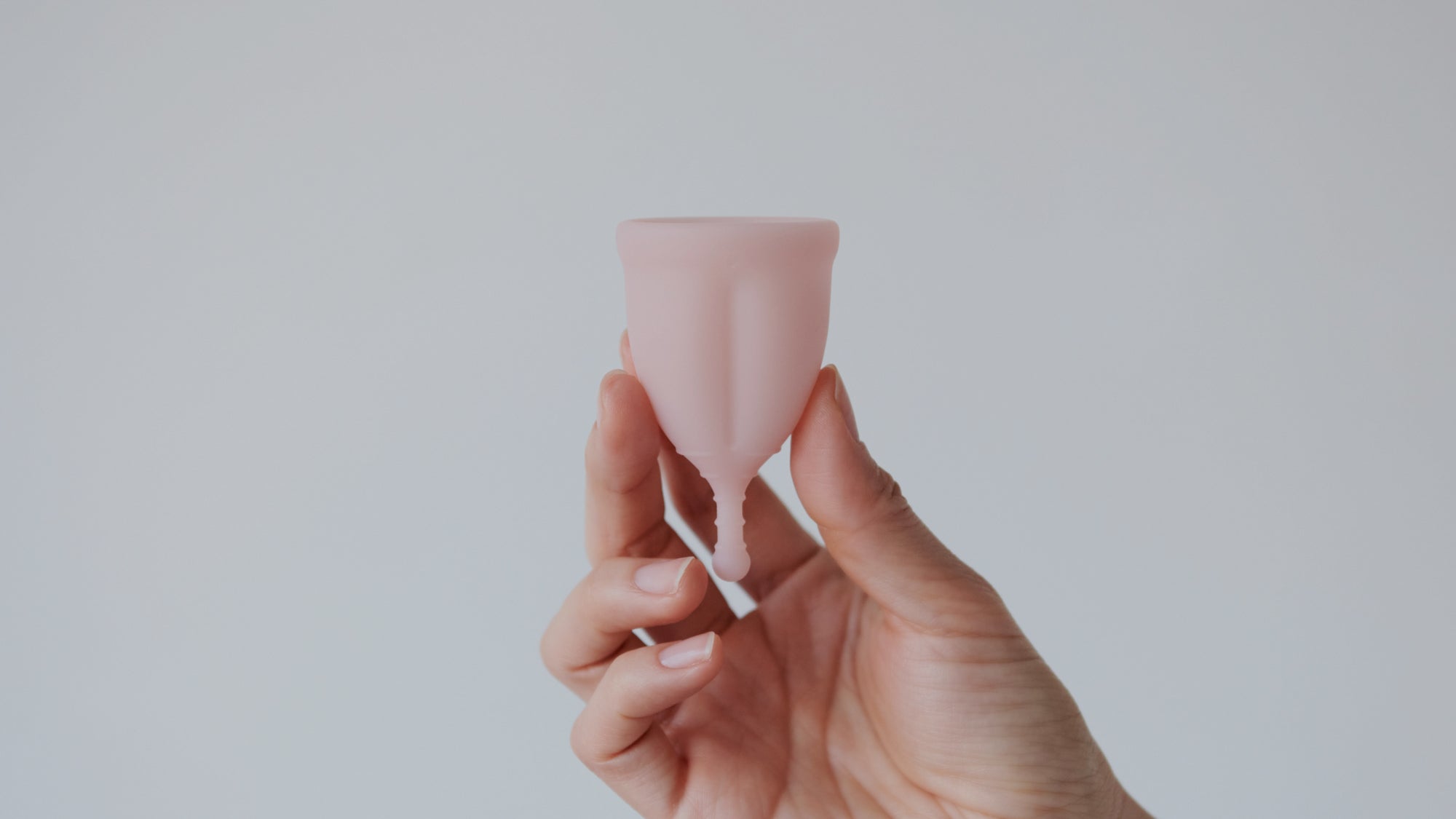
Sanitary products currently used: absorbent shorts, organic cotton pads, cloth pads
-What day is your period?
Normal Day
-What image comes to mind when you hear the word "menstruation"?
red
- From here on, I'd like to look back on half of my life, focusing on menstruation. When was your first period? How do you remember it?
I don't remember clearly, but I think it was when I was in sixth grade. I was tall even back then, and my body developed quickly, but I had heard stories of other girls who got their periods earlier than me, and I vaguely thought, "I'm growing faster than everyone else, but I still haven't gotten my period, so I guess that's just how it is." I don't remember much about when I got my first period, but I wasn't surprised; I think I just thought, "Oh, it's here."
At home, I could tell from the atmosphere that my mother had secretly told my father, but we never cooked red rice and it just naturally became a part of everyday life. I was the second of four sisters, and I had an older sister and a mother, so we were so open about our sanitary products that we always kept them in a visible place.
When I was in elementary school, I played softball, and I remember having to watch practice because of period pain. Also, I sometimes went on away trips to stay overnight outside of the prefecture, and I got my period during those trips. But I had sanitary napkins with me, so it wasn't a big problem.
Before I had my first period, I had the opportunity to go on a little trip with my grandparents, and my grandmother asked me, "How's your period?" It was so sudden that I was very surprised, but my grandmother was a teacher, so maybe she had some educational motives.
- How did your life and period change when you became a junior high school student?
I attended an external dance school in junior high school, but I have almost no memories of my period during that time. I don't think my menstrual cycle was yet regular, but it never caused me any problems that interfered with my daily life.
- Please tell us about your life after graduating from junior high school.
I think the times when I thought "I have a slight stomachache and I'm sick of it" or "Maybe I should take some medicine" were most often when I was in high school. I always had sanitary napkins with me, so I don't remember ever borrowing them from anyone, and in fact I often gave them to my friends.
However, I did often go to the nurse's office. I think I went there to rest because I was suffering from severe period pain, but I remember that there was a teacher that I just couldn't stand, and I didn't want to attend her classes, so I would run away to the nurse's office.
- What path did you take after graduating from high school? Did your period change?
After graduating from high school, I got a job at a local company. I was still living at home, but I was able to earn my own income, and I think it was around this time that I started buying my own sanitary products.
After that, I moved to Tokyo at the age of 21, and my first job was a part-time job at a cafe. It was a cafe that was open late into the night, so I worked the late-night shift from the evening until the next morning. It was my first night shift, but I don't think it caused any major disruptions to my menstrual cycle. However, it was difficult to time my bathroom visits during the night shift, so I had to juggle them by accommodating my bathroom check duties. Also, around this time, I would sometimes pass menstrual blood in clots, and sometimes I would skip a month of my period. The only times I felt different were when I was clearly tired or under a lot of stress.
After I quit my part-time job at the cafe, I started working part-time at a publishing company. The industry and the work were completely different from when I was at the cafe, but it was something I was interested in, and there were a lot of nice people there, so it was a lot of fun.
At that time, someone I worked with introduced me to a part-time job at another publishing company, and I moved to that second publishing company. After working part-time there, I joined the editorial department as a contract editor at the age of 24.
This was the busiest time of my life. I became an editor with only experience as a shift assistant, so I started without any skills such as conducting interviews or writing manuscripts. Even with an already heavy workload, I spent my days learning the know-how of an editor through practice.
Although I was fulfilled at work, I was feeling tired and my period was extremely light and I was experiencing irregular bleeding, so I went to the gynecologist for a checkup. At the time, the doctor said there was nothing particularly wrong with my body, but I thought, "This can't be good," and
I became independent at the age of 27.
At this time, I also realized that my sensitivity to my own body had dulled. I think that's how exhausted I was. I'd always wanted to share information that would be useful to women, so after I went independent, that led to my current work in women's health.
Around this time, I became more and more interested in femcare and organic products, and I started choosing different sanitary products each month, including cloth napkins, in order to find the one that suited me best.
Has anything changed since you turned 30?
Since my mid-30s, I've started to notice so-called PMS symptoms, such as increased appetite, craving strong-flavored foods, and my skin and hair not being in the best condition, which never bothered me before.Even so, I've been able to feel comfortable by using sanitary products and taking care of myself that are right for me at the time.
-Looking back on your period, what do you think now?
The biggest thing I feel is that I was blessed with a good environment. Physically, my mother provided me with everything I needed, and psychologically, I never felt that menstruation was something to be ashamed of or something to hide, which has a great impact on my sense of value.
It's often said that "an ignorant father leads to poverty, and an ignorant mother leads to poor health," and I think that's absolutely true. I now clearly believe that the reason I was able to grow up without any problems regarding menstruation was because of my family environment and my mother's literacy.
I also think it's important not to make dealing with your period too routine. Because it comes every month, you need to find a method that suits you based on your physical condition and mood at the time. What works for each person is different, and figuring that out is itself a way of facing your own body.
I work as a femcare concierge, but I don't just recommend things like "this is the best." I aim to help people choose the information they need based on their situation and goals. Because menstruation is a unique experience for each person, and there's no right answer, I think it's important in the coming age to help people develop the ability to make their own choices.
Note: "My Period" aims to provide an opportunity to think about and talk about menstruation, an issue that is often hidden, by recording and sharing how people of various generations and backgrounds have dealt with it. It does not endorse any specific products, services, or methods of coping. The content posted is based on each person's personal experience, so if you have any symptoms that concern you, please consult a medical institution.