My Period Vol.029 - My monthly rhythm has finally started to naturally settle down. A 10-year conversation with my body.
Mayuko Murakami, 26 years old, entrepreneur
Menarche: 6th grade (age 12)
Current average period length: 5 days
Current average menstrual cycle: 28 days
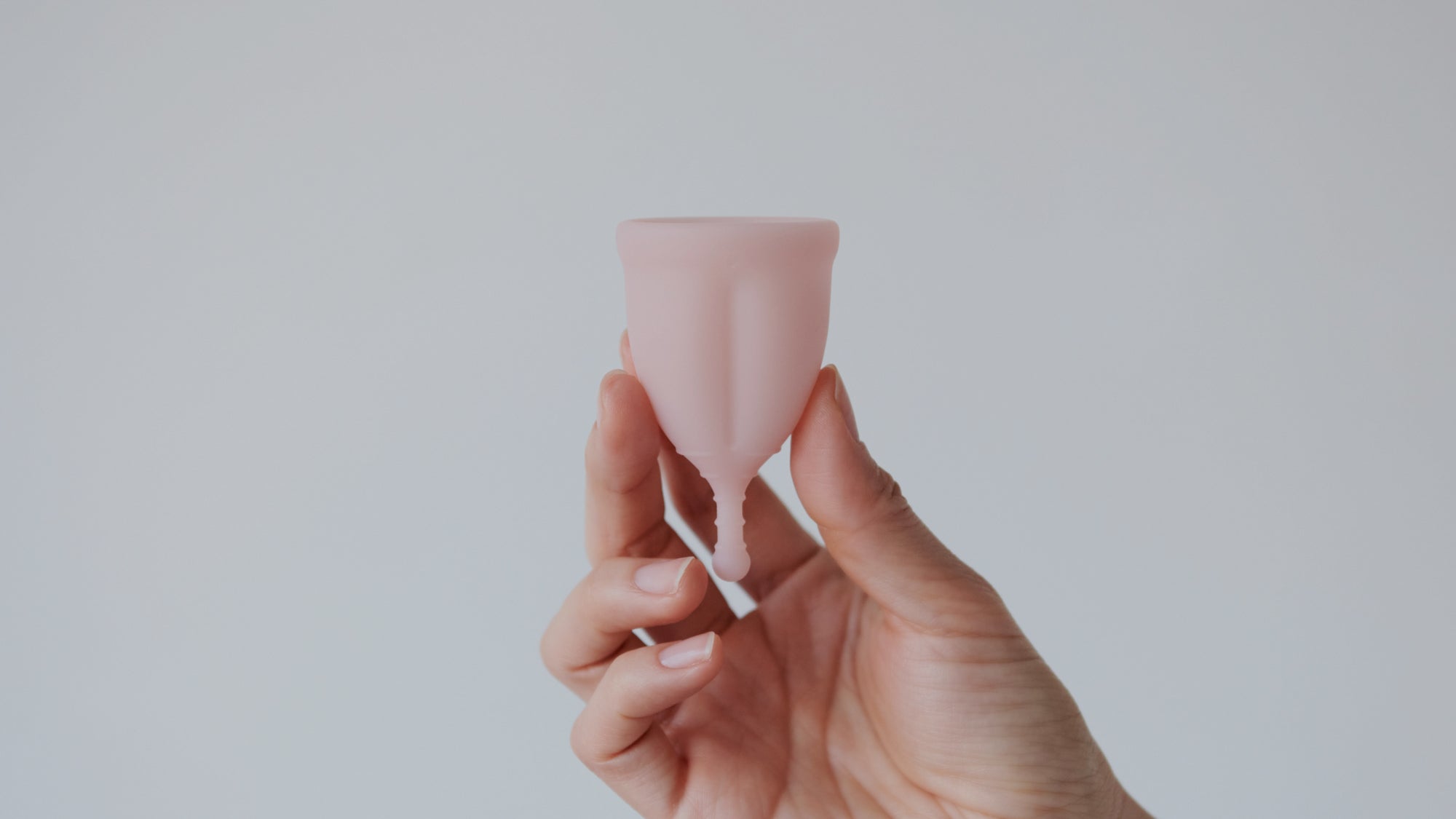
Sanitary products currently used: Menstrual cup (murmo), disposable napkins
-What day is your period?
Inside the tunnel with the exit in sight
-What image comes to mind when you hear the word "menstruation"?
blood
- From here on, I'd like to look back on half of my life, focusing on menstruation. When was your first period? How do you remember it?
I got my first period during spring break in my sixth year of elementary school, right after I graduated. I knew about menstruation so I knew right away that I had started my period, but I didn't know what to say to my parents, and I felt embarrassed about being celebrated with red rice, so I just took my mother's napkin from the bathroom at home and used it without telling anyone. I think it was six months to a year later that I finally told my parents. My mother asked me, "Haven't you had your period yet?" and I answered, "It's already here."
-Do you remember anything about your period in middle school or high school?
I was in the choir club in junior high and high school, but my period never interfered with club activities. Amidst the physical changes of puberty, I hardly ever have any memories of my period being particularly heavy or having any problems with it.
However, I did have irregular periods. I had regular periods from my first period until my second year of junior high school, but from my third year of junior high school onwards, for nearly 10 years, my menstrual cycle became unstable. My cycle was slower, and I often didn't get my period for two months. But at the time, I had no romantic experience and there was no possibility of pregnancy, so I thought I was lucky that I didn't have a bothersome period.
I think my irregular periods were influenced by weight changes. When I was in the third year of junior high school, I gained a lot of weight for a while, and after I lost weight, my periods started to be late.
- What happened after you graduated from high school?
I moved from Hokkaido to Tokyo to attend university and started living alone. My life changed completely, but my periods remained irregular. Wanting to get my body in order, I went to the gynecologist for the first time. I had a full blood test and other tests, but no abnormalities were found. I was diagnosed with an imbalance in my female hormones and was prescribed low-dose birth control pills. My periods started coming regularly when I took the pills, but my periods became irregular again when I stopped taking them. Since it was expensive and didn't really solve the problem, I stopped taking the pills.
I studied abroad in France for a short period during spring break in my second year of university, but just as the COVID-19 outbreak was beginning to spread worldwide, my university was closed upon my return, and my life changed dramatically. Unable to go out, I spent more time researching things that interested me through books and YouTube, and reflecting on myself. Around this time, I discovered veganism and began practicing it, and I also became interested in menstrual cups in order to reduce waste.
-What path did you take after graduating from university?
I got a job at a foreign consulting firm. I was recommended by the company where I interned during university and was hired as a new graduate. Even after I started working, my environment wasn't much different from when I was an intern, and at first I was fully remote, working from home and completing my work at set times, so I had a lot of free time and it was great to have time to focus on my body. I continued to make efforts to improve my body and lifestyle in my own way, such as running along the river and focusing on my daily rhythm.
- Please tell us about your current job and menstrual status.
Last December, I left the company I had worked for for two and a half years after graduating from university. Since then, I have been working as a freelancer, doing a variety of things, including consulting and human resources work that utilizes my experience from my previous job, as well as planning and running events and running a store that sells organic cosmetics and lifestyle items. I am currently preparing to start my own business, cherishing the opportunities I have met with all kinds of people.
My menstrual cycle became regular a while after I started working. There were two reasons for this. One was that I started going to mugwort steaming classes in my first year at work. The other was that I started dating my partner. My period became regular without relying on medication, and it's still continuing to this day. It became normal for it to come every month, and I was able to predict when it would come.
However, a week before my period, I sometimes feel nervous, have an increased appetite, and feel sleepy. It's PMS. I go through a difficult period for a few days before my period, and then my period comes a little after that. So when my period comes, I feel like I'm almost out of the tunnel.
I sometimes experience period pain, but I try not to rely too much on medication. I only use painkillers when I absolutely have to go to work. I think I'm able to cope with it better than before.
-Looking back on your period, what do you think now?
Before I moved to Tokyo, I was the type who didn't say much about what I was thinking and dealt with things on my own, but after I moved to Tokyo, I started to talk about myself and become more open. Around that time, my periods gradually became more regular, and I realized that my body was showing it in the form of my period.
I don't think there's anything wrong with taking medicine, and I know there are people who are suffering, so there's no need to force yourself, but I personally felt uncomfortable dealing with it with medicine, and I realized that this was because I wanted to listen to what my body was telling me. Accepting pain as a sign from the body, adjusting my lifestyle, and facing my body first is the style that suits me.
Note: "My Period" aims to provide an opportunity to think about and talk about menstruation, an issue that is often hidden, by recording and sharing how people of various generations and backgrounds have dealt with it. It does not endorse any specific products, services, or methods of coping. The content posted is based on each person's personal experience, so if you have any symptoms that concern you, please consult a medical institution.