My Period Vol.028 - "Why I, who lived with irregular periods, became a midwife, a mother, and continued to face my body"
Haruna Nakajima, 36 years old, Representative of Mebae no Mori
Menarche: 6th grade (age 12)
Current average period length: 7 days
Current average menstrual cycle: 34 days
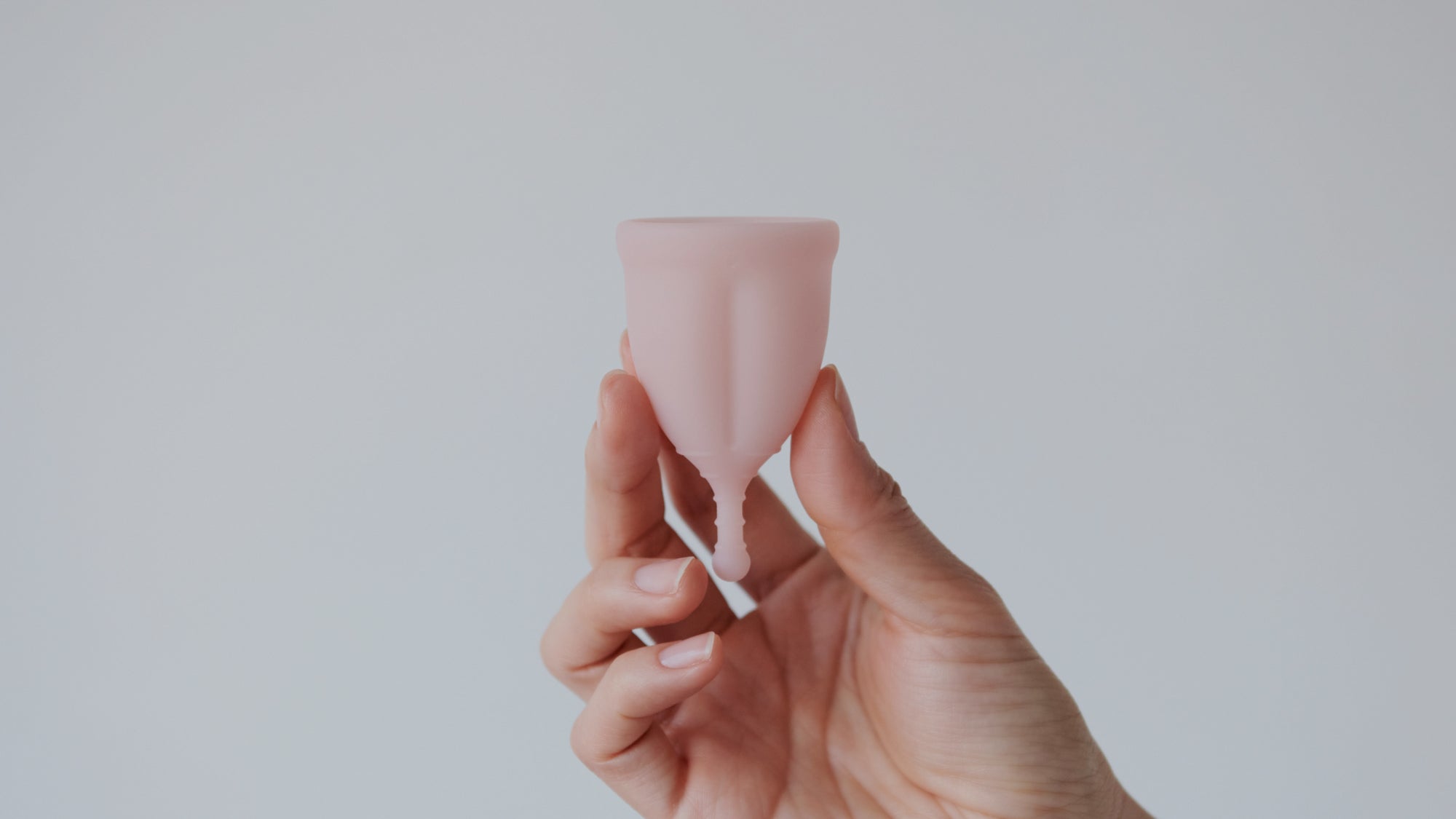
Sanitary products currently used: menstrual cup (murmo), absorbent shorts, disposable napkins
-What day is your period?
A day of relief
-What image comes to mind when you hear the word "menstruation"?
I have a lot of worries
- From here on, I'd like to look back on half of my life, focusing on menstruation. When was your first period? How do you remember it?
I got my first period while hospitalized in the fifth grade of elementary school. I remember finding blood on my panties and being surprised, thinking, "What's this?" I knew about the existence of "period," but since I was hospitalized at the time, I didn't think it was my period. I frantically told the nurse, who said, "Isn't that your period?", and it finally clicked for me. However, it was more than six months later that I got my next period. It wasn't until I was in sixth grade that I finally felt like it had started "properly."
However, my periods were always irregular, and even when they came regularly, they were longer cycles, sometimes a month and a week off, and sometimes they didn't come for up to two months. This instability may be why I don't remember my periods very well at that time.
-Have you noticed any changes since you became a junior high school student?
In junior high school, I was struggling with relationships at school, and those memories were so strong that I barely remember my period. I don't think I had the time to think about my body.
The only thing I remember is that the monthly meeting was so painful that I would miss it, claiming to have period pain. One time, I tried to miss school by saying my stomach hurt, and my mother asked me, "Maybe it's period pain?" I thought, "Oh, so you can miss school by claiming to have period pain," and so I started to miss meetings by claiming to have period pain. In reality, I didn't have period pain, my menstrual flow was light, and my period was late and irregular, so I didn't feel like my period was painful.
Did anything change in high school?
High school was a complete turnaround and I began to enjoy my student life. However, my period remained irregular, sometimes coming every other month and a week, and sometimes not coming for two to three months. I hardly had any period pain, so it didn't interfere with my daily life. I was also doing Kyudo as a club activity, but my period rarely coincided with the days of matches where I had to wear hakama, and the flow wasn't heavy, so I didn't find it inconvenient.
- What happened after you graduated from high school?
I entered a four-year nursing program at university and moved out of my parents' home to live on my own. It was around this time that my irregular periods started to cause me anxiety. I was dating a boyfriend, so I started to worry about what would happen if I got pregnant, and even though I was using birth control, I started to associate periods with pregnancy in a very real way.
When I started my internship in my first year of university, my period stopped. I think it was because of the busy schedule and pressure. I thought, "This is really bad," so I went to a gynecologist and was prescribed medium-dose birth control pills as hormone therapy.
After taking the pill, my period started again, but after a few months it stopped again, so I went to the doctor and was prescribed a medium-dose pill. However, this time my period didn't come for a long time after I stopped taking the pill, which made me very worried.
At the time, I still didn't have much knowledge about the body, so I was worried about whether I could get pregnant even if I was taking the pill, and I talked to my mother about it. However, she told me, "You're a student, so don't talk about things like that," and I remember thinking, "I can't talk about this with my mother." I think my mother was confused, too, but I really wanted her to be there for me.
After that, I decided to confide my anxiety about not getting my period to a friend, and at the same time my period started, I remember thinking that a woman's body is a mysterious thing.
After that, the hospital recommended low-dose birth control pills, which I took for a while, but when I broke up with my boyfriend, I no longer had to worry about pregnancy, and I stopped taking the pills because I had to keep taking them at the same time every day and it was expensive.However, my periods remained irregular, and I kept going to the gynecologist whenever my period stopped for a while.
-Have you noticed any changes since you started working?
After graduating from university, I started working as a nurse at the hospital where I had done my internship. Perhaps because my job included night shifts, I still had irregular periods, but I would alternate between taking the pill and not taking it.
I thought, "Maybe my body just isn't in a state where it can't get its period on its own," so after consulting with my gynecologist, I decided not to take the pill, but instead tried natural ways of adjusting my period, such as taking Chinese herbal medicine, switching to cloth pads, and adjusting my lifestyle. I think the three years after I started working were a time when I explored my physical condition through my period.
- Has anything changed in the three years since?
I decided to leave the hospital where I had worked for three years and move to Shimane to attend a one-year midwifery training course.
I vividly remember a visit to my gynecologist just before moving to Shimane. I went in because I'd forgotten to take my pill, and the doctor told me, "Why did you forget? It's not effective as a contraceptive unless you set a timer and take it at the same time every day." He was very firm in his contraceptive intent. I wasn't just taking it for contraception; I was also thinking about future pregnancy and trying to improve my physical health. I'd been trying various things, including Chinese medicine and lifestyle changes, to improve my condition. I couldn't accept his words, so I told him. He replied, "Even if you try all those things, your period still won't come, and even if you continue taking the pill, your body won't be able to get pregnant when you want to." I realized there was no point in continuing, so I swallowed my words and went home. I remember feeling so frustrated, thinking, "I wanted to improve my physical health, and I'd worked so hard to improve my lifestyle," that I cried after I got home.
Although I had not been directly diagnosed by a doctor, I vaguely knew from the ultrasound I had that I had polycystic ovary syndrome (PCOS), but that was still a shock.
The frustration I felt at that time made me strongly want to learn more about the female body.
- Please tell us about your plans to become a midwife and what happened after that.
I moved to Shimane and attended a midwifery training course for a year. During my training, my period tended to stop, but it would come back on its own in about two months at the latest, so I managed to get through it without using the pill. Still, I think my menstrual cycle was better than when I was working as a nurse.
Upon graduating, I moved to Gotsu City, Shimane Prefecture, and began working as a midwife at a hospital. I was 27 years old. I started to avoid food additives and focus on a diet centered on fish and vegetables, and I also got certified as a balance ball instructor, which helped me develop an exercise habit, which I feel has had a positive effect on my life.
- My experience as a midwife in Shimane, and subsequent changes in my work and menstruation
I worked as a midwife at a hospital for five years. For the first two years I worked full-time, including night shifts, but for the last three years I switched to a work schedule without night shifts. By quitting night shifts, I felt that my autonomic nervous system was less disturbed and my period became more regular. I think that night shifts were a big burden on my period after all.
After switching to a work schedule that did not include night shifts, I gradually began to increase my involvement in local community activities alongside my work at the hospital. I became involved in planning and running balance ball classes, workshops, lectures, and events for local postpartum mothers, and I worked while keeping in mind both "what I could do within the hospital" and "what was needed in the community."
Five years later, after leaving the hospital, I joined a community-based NPO in Gotsu, where I still work today. I began to take charge of classes and events for postpartum and child-rearing mothers. However, for me, it wasn't so much a big career change; it felt like the individual activities I had been doing while working at the hospital had become work for the NPO.
It was around this time that I got married and moved to Masuda City, Shimane Prefecture. I continued working while moving. My periods were very regular at this time. I didn't have to work night shifts, my diet was good, and I was mentally stable. I think that was a big factor.
But looking back now, I think it was my weight that had the biggest impact on my irregular periods. When my BMI was underweight, my period tended to stop or my cycle became slower. After I gained a little weight, I felt like my cycle became more regular.
- About pregnancy, childbirth, and current menstruation
Soon after getting married, I became pregnant with my first child. Since I had polycystic ovary syndrome (PCOS), I assumed it would take some time for me to conceive, so I was planning to undergo fertility treatment, taking tests and scheduling my first appointment. However, I was really surprised when I conceived naturally at that exact timing. I'm sure my ovulation was irregular due to PCOS, but perhaps the efforts I made to get my body in shape led to pregnancy.
After giving birth, I breastfed for a long time, so I didn't have my period for a while. It was almost a year and a half after giving birth that my period finally returned. It was such a relief and felt like a reunion that it felt like "welcome back" after such a long time.
After resuming, I used absorbent underwear and pads together, and about a year ago I started using the Murmo menstrual cup. The absorbent underwear was convenient, but I still felt uncomfortable when I got wet, so I was shocked to find that using the menstrual cup reduced the discomfort during my period.
-Looking back on your period, what do you think now?
I've always had irregular periods, which caused me a lot of worry and stress, so of course I think it would be better if I didn't have irregular periods, but it was the pain I experienced because of my irregular periods that motivated me to say, "I don't want more people to have to go through the same thing," and "I want to learn more about how the female body works," which has led to my current job and the connections I have with so many people, so I think it's because I had irregular periods that I am who I am today.
Note: "My Period" aims to provide an opportunity to think about and talk about menstruation, an issue that is often hidden, by recording and sharing how people of various generations and backgrounds have dealt with it. It does not endorse any specific products, services, or methods of coping. The content posted is based on each person's personal experience, so if you have any symptoms that concern you, please consult a medical institution.