My Period Vol.027 - "My period didn't come easily. It was awkward to talk about it when I was a student, but now I can talk about it naturally with my children."
Iyo, 42 years old, CEO of Mother Terrace Co., Ltd.
Menarche: 2nd year of junior high school (age 14)
Current average period length: 4 days
Current average menstrual cycle: 28 days
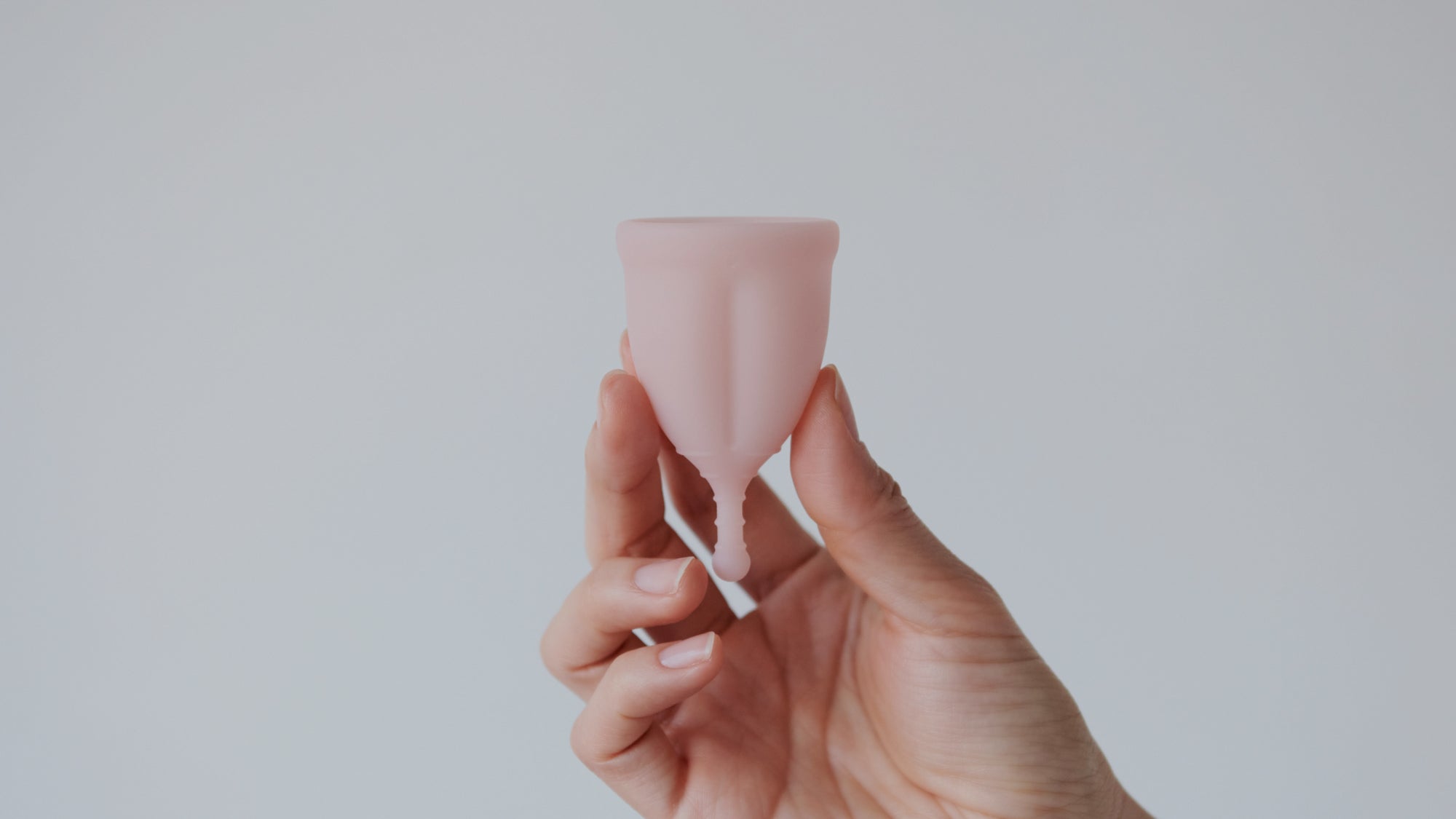
Sanitary products currently used: absorbent shorts (noA600), menstrual cup (murmo)
-What day is your period?
Stomach ache day
-What image comes to mind when you hear the word "menstruation"?
That's tough.
- From here on, I'd like to look back on half of my life, focusing on menstruation. When was your first period? How do you remember it?
My first period was when I was in the second year of junior high school. However, it was only once, and the next time I got my period was when I was in the third year of high school, so I'm not sure if I can call that my first period.
When I was in the fourth grade of elementary school, my mother only told me that "sanitary napkins are kept here." I remember feeling relieved when I got what felt like my first period for the first time in my second year of junior high school. All my friends around me seemed to be getting their period, so I somehow hoped that my period would come soon too.
I secretly told my mother that I had gotten my period, but I didn't want anyone to know, so I told her not to celebrate. My mother calmly accepted, saying, "I understand."
I thought I had started my period, but then I didn't get my period for a few years. I thought it was strange, but since I was petite, I didn't think much of it.
However, I remember a friend at school once said to me, "I don't hear any sound when you change your sanitary napkin in the toilet, how do you do it? That's so cool!" and I couldn't tell him the truth at the time, so I just lied.
Has anything changed since you became a high school student?
Even when I was in high school, my period didn't come easily.
When I was in my third year of high school, I became worried and decided to go to a gynecologist.
My gynecologist suggested I take low-dose birth control pills. I was surprised at first when I heard the word "pill." I had a strong image of "pills" as contraceptives. However, after receiving a proper explanation from the gynecologist and my mother encouraging me to try them, I decided to take the pills. After starting the pills, my period came easily on the first cycle. "So this is how medication can induce menstruation." I remember feeling surprised, but also relieved at the same time.
From this point on, my period started coming regularly, but I barely remember my periods after that. I didn't have period pain or PMS, and my menstrual flow was light, so I never found my period particularly painful.
How did things change after you graduated from high school?
After graduating from high school, I went on to a vocational school to study interior design, leaving my parents' home in Shimane and starting to live alone in Kobe. It was the moment when my dream of living alone, something I had had since elementary school, finally came true.
I had to earn my own living expenses, so I was busy every day with my studies and part-time job, but I couldn't help but enjoy living alone for the first time.
I started taking the pill in my third year of high school, but stopped after about a year. I just couldn't get into the habit of taking it, and thanks to the health foods my mother sent me, my period and physical condition were stable, so I thought I didn't need to take it anymore, and so I quit. I don't have any particular memories of my period after I stopped taking the pill. I never paid much attention to my period, and just lived my life with the attitude that "if it comes, it comes, if it doesn't come, it doesn't come."
Has your life changed since you started working?
After graduating from vocational school, I continued to work at the general merchandise retailer where I had worked part-time as a student. Since it was the same workplace, there was no change in environment, and I was even given the role of store manager when I started working, so it was a very fulfilling experience. Life wasn't easy, but my younger brother came to Kobe and started living with us, which reduced the burden of rent, and I think I was able to relax a little and live a happy life.
After working there for about two years, I changed jobs. I felt I had learned everything I could from working in sales, and wanted to learn about product planning and manufacturing, so I changed jobs to a general merchandise planning company in Osaka and moved there at the same time. However, I didn't like the corporate culture at the new workplace, so I quit after about three months.
After that, I was a part-time worker for a while. I made ends meet by doing various part-time jobs and day labor. However, somewhere in my heart, I felt anxious and thought, "I can't continue like this."
"What do I want to do from now on?" "Who am I?"
These feelings grew, and one day I decided to go back to my parents' home in Shimane. I had a gut feeling that "I won't be able to move forward unless I go back and get something."
I built a simple greenhouse-like room surrounded by bubble wrap in an old warehouse on my parents' property, and spent about a year and a half there trying to live as simply as possible.
"How much material possessions can a person have to survive?" "I want to find something that wells up from within me in a life with nothing."
Those were the days of this experiment.
I don't remember my period at that time, so I don't think it was particularly painful.
After living like that for a year and a half, I got my motorcycle license and set off on a motorcycle trip around half of Japan. I traveled from Hokkaido down Honshu to my home in Shimane. I was at the limit of my physical strength and money, but the many sights and encounters I had along the way made me feel like my energy was slowly returning.
After completing his trip, he returned to Osaka, where he had previously lived, and then moved to Kyoto.
The reason I moved to Kyoto was because I got a job. I decided to change jobs to a company in Kyoto that runs a fair trade business. I had always wanted to work for that company, and had applied for the position three times before but was rejected. However, on my fourth attempt, I was finally hired. I love my hometown of Shimane, and I wanted to give back to Shimane someday by mastering a system that can properly support the economy in a place rich in natural environments. I felt that being able to work for that company would be a milestone in making that dream come true, so I was very happy.
In my third year, I was given the role of store manager and began to enjoy working with discretion.
I started to experience period pain little by little around the time I became a manager in my late 20s. I had never experienced period pain before, so it was around this time that I first began to find my periods painful. Looking back, I think the stress of being a manager, which I was not used to, was probably showing up in my periods. There were also changes in sanitary products, and instead of only using disposable pads, I started using cloth pads. The store where I worked started carrying cloth pads, so I thought I would try them myself. I would switch between cloth and disposable pads depending on my menstrual flow and schedule.
I was 28 years old when the Great East Japan Earthquake occurred.
Shortly after the disaster, my company started talking about taking action to support reconstruction efforts, and while it was very important to support Tohoku from faraway Kyoto, I began to think that perhaps it was even more important for me to be near the people I care about. I began to feel that if a major disaster were to occur and I wasn't there for my loved ones, I would surely regret it.
While I was living with these thoughts in mind, I found out I was pregnant at the age of 29.
I had always thought that it would be difficult to have a child, and I had never imagined a future where I would get married, become pregnant, or have a child, so I was very surprised, but I decided to just go with the flow and married my partner.
Did anything change after pregnancy and childbirth? How did you spend your 30s?
I gave birth at the age of 30, and spent three months at my parents' home in Shimane before returning to Kyoto where my husband lives and focusing on raising my child until he turned one year old. Then, when my parental leave was up, I quit my job and moved to Shimane as a family of three.
At the time, Shimane Prefecture's local government offered support for people returning to their hometowns, so we took advantage of this system to rent a cheap apartment, and my husband got a temporary position as a staff member for people returning to their hometowns. We started a new life together, and I worked part-time as an accountant at a hot spring facility to make ends meet.
After giving birth, my period changed. My period pain suddenly became severe. My body felt heavy from the day before my period started, and the first day was unbearable without painkillers, so I took painkillers from before my period until the second or third day. The pain lasted for about three days. Not only was the pain worse, but the amount of menstrual blood also increased, and I realized that periods can be so difficult.
After that, I gave birth to my second child at the age of 32. Wanting to stabilize my life, I started running my own e-commerce site while working part-time. I started by purchasing and selling products, and gradually got the business on track. About five years ago, while importing and selling Chinese products, I learned about absorbent shorts manufactured and sold in China. At the time, there were very few absorbent shorts in Japan, and I myself found cloth napkins to be inconvenient, so I thought that something had come along that would solve that inconvenience. I started by purchasing and selling them, and then I developed my own original absorbent shorts and sold them in Japan. I still continue to make improvements and sell them.
I came across the Murmo menstrual cup at an event held in Shimane last year. At first, it seemed like a bit of a challenge, but once I actually used it, I was amazed at how much easier it was. On days with heavy flow, a single pair of absorbent underwear wasn't enough, but by combining the menstrual cup with the absorbent underwear, I only needed one pair, which was really comfortable, and I felt like I had finally regained freedom during my period.
-Looking back on your period, what do you think now?
It's only been in the last few years that I've started to face up to my period, but I really like the fact that washing absorbent briefs and keeping a menstrual cup on hand are natural parts of my life with my children.
Menstruation and the body are not something special that needs to be hidden, but are a natural part of everyday life. I find it very comfortable to have a relationship where we can have deep conversations about this.
I hope that this will become the case not only for my own children, but for society as a whole in the future.
Note: "My Period" aims to provide an opportunity to think about and talk about menstruation, an issue that is often hidden, by recording and sharing how people of various generations and backgrounds have dealt with it. It does not endorse any specific products, services, or methods of coping. The content posted is based on each person's personal experience, so if you have any symptoms that concern you, please consult a medical institution.