My Period Vol.026 - "Having a period does not mean you can get pregnant" My experience of pregnancy, childbirth, and miscarriage Physical changes felt as I get older
Mino, staff member of the Femtech and Femcare information web media "Ly:set"
Menarche: 6th grade (age 12)
Current average period length: 7 days
Current average menstrual cycle: 28 days
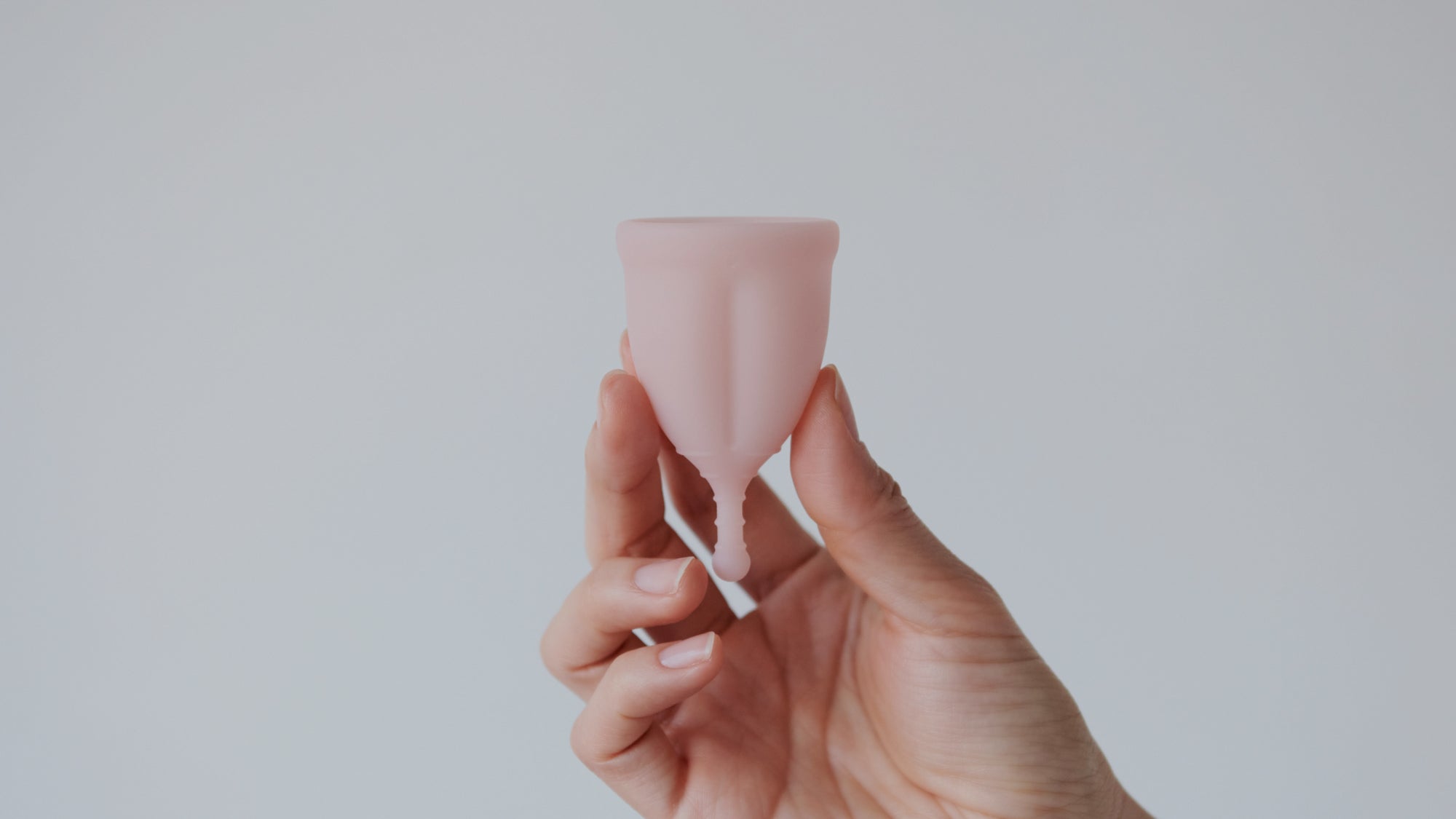
Sanitary products currently used: menstrual cup (murmo), absorbent shorts, cloth napkins
-What day is your period?
Joy
-What image comes to mind when you hear the word "menstruation"?
children
- From here on, I'd like to look back on half of my life, focusing on menstruation. When was your first period? How do you remember it?
I had my first period when I was in the sixth grade, at the age of 12.
Shortly before my period started, I started to experience a sticky, stretchy discharge on my underwear. At the time, I had no idea what vaginal discharge was, so I was genuinely scared that I might have some kind of illness. At the time, talking about sex was considered taboo in my household, and even when there was a "sexual scene" on TV, the whole family would avert their eyes. In that environment, I couldn't imagine talking to anyone about these changes in my body.
I knew about eggs and sperm from picture books and comics, and I would sometimes proudly explain them to my parents, but I didn't really understand how they actually happened in my own body.
I was confused, thinking, "Maybe I'm a man?" and "Is this ejaculation...?"
But when my period actually started, I finally told my mother. She cooked red rice for me and said, "Congratulations," but to be honest, I didn't really understand what she meant. But I did have the feeling that something "special" had happened.
Has anything changed since you became a junior high school student?
Looking back, my elementary and middle school years were relatively calm. My periods came regularly, and I didn't experience any major pain or discomfort. I just thought of them as something that came and went without a trace.
The topic of menstruation was almost taboo among my friends, and it didn't seem like an open topic to talk about even among friends. So, it was a time when we would catch a glimpse of a girl going to the toilet with a sanitary napkin and secretly think, "Oh, she's started too." When I got to middle school, I started hearing about my friends' first sexual experiences and stories of sexual assault, and sex was something I heard about surprisingly often.
How did your relationship with periods change when you entered high school?
When I entered high school, my periods suddenly became painful.
More than anything, my period pains were getting worse. My stomach felt heavy and the dull pain continued, and eventually it turned into such severe pain that I cried in bed. My father couldn't bear to see me like this, so he told me to take some medicine, but at the time I felt that relying on medicine was a bad thing, so I found it hard to accept it.
This may have been influenced by the belief that it was an act that went against nature, or the value that one should manage one's own body.
Another thing that bothered me was sleepiness. I would get extremely sleepy especially before my period, and sometimes I would fall asleep during class even when I was sitting in the front seat.
I found myself wondering, "Was I always this sleepy?", but it wasn't until much later that I realized the cause was hormones.
How did you deal with your period during your university life?
Once I became a university student, I gradually gained more freedom in my life. I was freed from the stress of getting up early in the morning and riding crowded trains, and I could attend and take classes at my own pace. Perhaps thanks to this, I was able to control the pain of menstrual cramps and drowsiness more easily, and I felt a little more at ease.
However, the sleepiness before my period was still strong, and on days when I didn't have morning classes I would sleep until the afternoon. I would get angry when my mother woke me up, or I wouldn't even remember being woken up. It was a time when I was dominated by a feeling that I couldn't do anything about, as if my personality had changed.
Around this time, I began to feel like maybe my body wasn't normal.
How has your relationship with menstruation changed since you started working?
After graduating from university, I got a job at an IT company. It was a time when terms like "white company" and "work style reform" didn't exist, and it was normal to go to work early in the morning and go home on the last train.
As this lifestyle continues, at some point, something strange begins to happen to my body.
Half the month, my temperature would rise to around 38°C. However, I didn't have any cold-like symptoms and was able to go about my work normally. This strange cycle of high body temperature continued for nearly half a year. I became worried and went to see an internal medicine doctor, who told me, "This is a fever of unknown origin, and there's a possibility that you have leukemia." However, the test results showed nothing abnormal.
After doing some research on my own and visiting a gynecologist, I was finally diagnosed with PMDD (premenstrual dysphoric disorder).
At the time, it was not as well known as it is now, and there were very few gynecologists who would treat it, so it was quite difficult to even find a clinic.
How did you feel when you were diagnosed with PMDD?
When I finally arrived at the gynecology clinic, I was told, "It's probably PMDD," and rather than being surprised, I felt a sense of relief, like, "I finally know the reason." However, the treatment was antidepressants. The dosage was gradually increased, and it took six months for my body to get used to it. And when I stopped taking them, I had to reduce the dosage again, over another six months.
The side effects were severe, and if I forgot to take the medicine I would feel dizzy, afraid of stairs, and sometimes I would feel like I was no longer myself. I felt very depressed, and there were even days when I wanted to die. However, once I started taking the medication, the waves of my emotions gradually calmed down. At the same time, I felt like I realized for the first time that maybe this was normal.
Have there been any changes in your treatment or lifestyle since then?
One day, a senior colleague at work (a woman in her 50s) told me that she was taking the pill, so I started taking a low-dose pill. However, I still suffered from side effects.
When I woke up in the morning, my legs were extremely painful. I couldn't walk. It was only later that I realized I might have had thrombosis. By the time I was told, "This is a symptom of thrombosis, so stop taking the medication immediately," the same symptoms had already occurred three times, and looking back, I think I may have been in a very dangerous situation.
I eventually stopped taking the pill and started Chinese medicine and yoga. I've been doing yoga since 2012, and before I knew it, it had been over 10 years. I feel like by continuing to go to the same studio and taking time to reflect on myself, both my body and mind have become more in tune.
Has your experience of giving birth and raising children changed your attitude towards menstruation?
At the age of 30, I quit the "black" company I had been working for. The reason was to change the way I worked. However, the company I joined after that also ended up being very demanding, so I quit when I became pregnant with my first child. My pregnancy and childbirth were by no means smooth. I was at risk of premature labor, and the baby's rotation was malformed, making the birth difficult. But strangely, I feel like I was able to get through the birth itself in a positive way.
After giving birth, I focused on raising my child, but my husband was busy with work and was hardly ever at home, so it was really tough being a single parent. After that, I got back to work and started balancing work and childcare.
I gave birth to my second child just under two years after giving birth to my first child. A little under two years later, I got pregnant again, but this time I had my first missed miscarriage. The baby died in the uterus. I had surgery scheduled to expel the fetus, but the day before, while I was at work, a sudden, gushing mess came out of nowhere. I rushed to the bathroom and caught it with my hands. I left work early and went to the hospital, but since it had all come out, surgery was not necessary, and my period returned.
After that, I experienced a second missed miscarriage. This time, I had surgery early to avoid the same thing happening the previous time. The first period after the surgery was extremely painful and difficult, unlike the previous one, which was a natural discharge.
For someone like me who thought that "having a period = being able to get pregnant," my miscarriage was a huge shock. Even though I understood intellectually that I would not be able to give birth, and that the baby would not develop even though I had a period, my heart could not accept it. Still, I had no choice but to accept it little by little and think, "This is the natural course of events."
-How are you dealing with your period right now?
As I entered my 40s, I began to clearly feel hormonal changes. My normal body temperature had been around 37.2°C, but one day it suddenly dropped to around 36.5°C. This triggered my period pain and drowsiness to subside.
Now, I use a menstrual cup, absorbent shorts, and cloth pads to help me get through my period peacefully.
-Looking back on your period, what do you think now?
When I was suffering from severe PMS symptoms, I was truly grateful to have my period.
For two weeks before my period, I suffered from fever, irritability, and depression, and there were days when I thought, "Maybe it's not going to happen again." But once my period started, all that pain disappeared like a lie. My stomach hurt, but my mood was bright and I could think, "It's finally here," and "I can finally get myself back." That's why I don't hate my period. In fact, mentally, it was the easiest time for me.
Now my period is getting shorter and I feel like I'm approaching menopause.
At the same time, the thought sometimes crosses my mind that I'll never be able to have children again. It's a little sad, but I can accept it calmly because I know that all the experiences I've had up until now have made me who I am today.
Note: "My Period" aims to provide an opportunity to think about and talk about menstruation, an issue that is often hidden, by recording and sharing how people of various generations and backgrounds have dealt with it. It does not endorse any specific products, services, or methods of coping. The content posted is based on each person's personal experience, so if you have any symptoms that concern you, please consult a medical institution.