My Period Vol.025 - Diet for a teenager whose period stopped, a woman in her 20s whose period was disrupted by night shifts, and a woman in her 30s whose period became heavy after giving birth
Natsumi Enomoto, 37 years old, nurse
Menarche: 3rd grade of elementary school (age 9)
Current average period length: 10 days
Current average menstrual cycle: 30 days
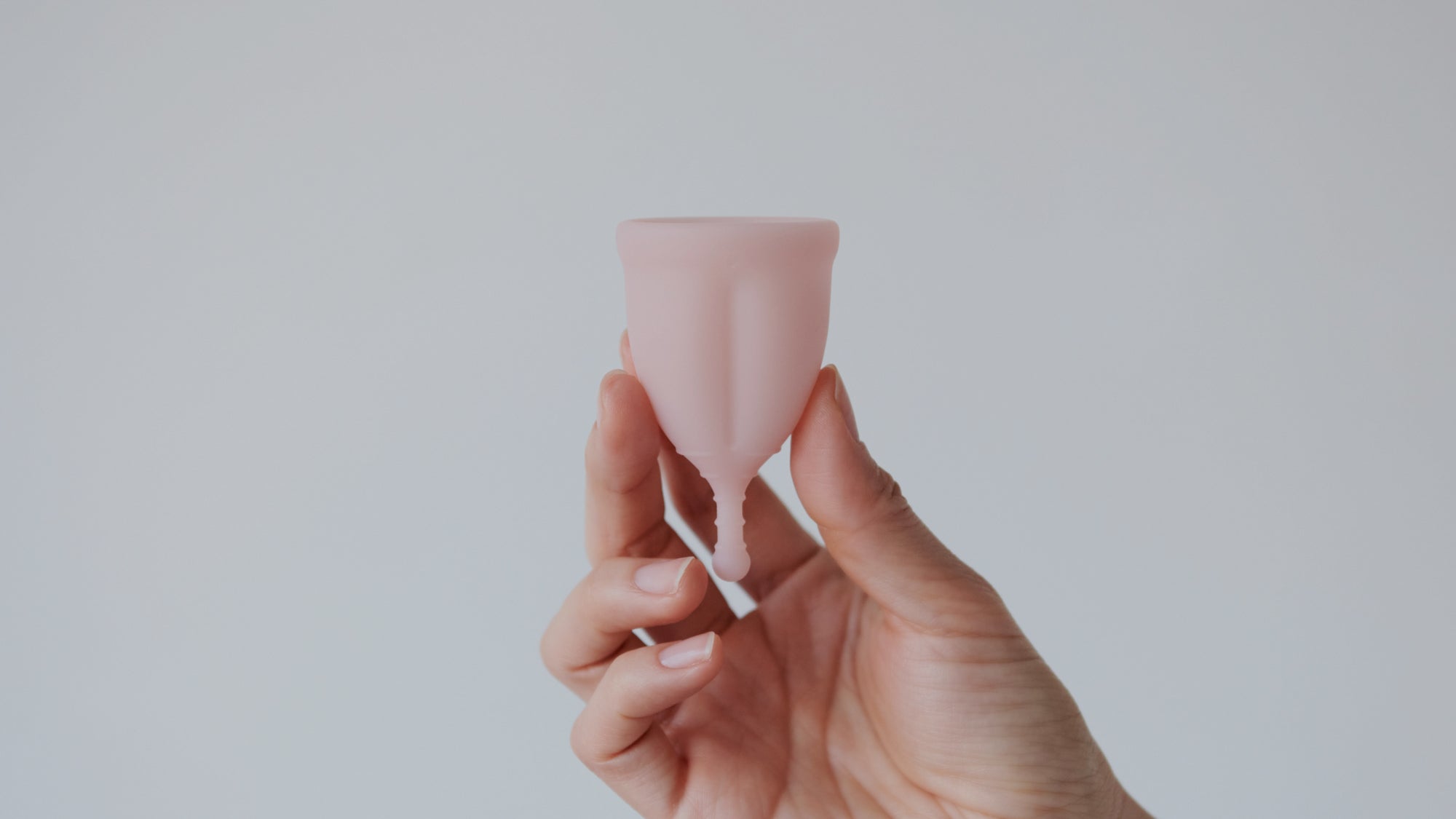
Sanitary products currently used: menstrual cup (murmo), tampons, panty liners
-What day is your period?
Body Barometer Day
-What image comes to mind when you hear the word "menstruation"?
melancholy
- From here on, I'd like to look back on half of my life, focusing on menstruation. When was your first period? How do you remember it?
I think I had my first period when I was in the third grade of elementary school. This was before we had sex education at school, so I was surprised by the unusual occurrence of having blood on my underwear, and rushed to my mother with my blood-stained underwear. I remember being impressed by how calmly and matter-of-factly my mother responded when I told her, "There was a lot of blood!" I was already familiar with the word "period," so I was simply shocked, thinking, "So this is menstruation?"
I barely remember my period at the time. Even after I started, I had no knowledge of the menstrual cycle, so it was just a routine of putting on a pad if my underwear got dirty with menstrual blood. I remember thinking that people would notice I was on my period because I couldn't go in the pool when my period coincided with swimming class, but I didn't feel embarrassed about it. I liked sports, so I actively participated in school sports events and mini-basketball, but I didn't have period pains and my menstrual flow was light, so I don't think my period was a burden.
Has anything changed since you became a junior high school student?
I joined the track and field club in junior high school, so my period became a nuisance during club activities, and my relationship with men and women also changed a little, so my period became a nuisance. However, my periods were usually light, so they didn't interfere with my daily life.
Around this time, my period stopped due to dieting. I don't remember it well, but my mother told me about it later. I was dieting while also exercising in club activities, so I lost a lot of weight and got below 40kg, and that's when my period stopped. I also became anemic and felt dizzy when I stood up, and when my mother saw me like that, she seemed to think, "This is bad."
I think my mother noticed something was wrong with me because the stock of sanitary napkins at home wasn't decreasing and there were no used sanitary napkins to throw away in the sanitary box. When she noticed this, she asked me directly, "Have you had your period recently?" and that's how she found out.
A health check I had around the same time also suggested anemia and required further testing, so I went to the hospital. No serious illness was found, but from then on, I started including spinach stems in every meal, and I ate so much that I started to hate it (lol). My mother told me, "Your period stopped because of that weird diet," which made me realize that stopping your period and having an irregular cycle are not good for your body, so I stopped dieting. Once I stopped dieting, I regained my weight and my menstrual cycle became regular.
-How did you change when you became a high school student?
I had my first sexual experience with my boyfriend at the time when I was in my second year of high school, and from then on, I worried every month about whether I was pregnant until my next period. Although I was using condoms properly, at the time I had a strong feeling that "I absolutely cannot get pregnant now," and I was extremely anxious. I think I had learned in sex education class that condoms are also used to prevent sexually transmitted diseases, but that didn't resonate with me at all. At the time, I thought that condoms were there to prevent pregnancy, and that my period was just a way to confirm that I wasn't pregnant.
-What did you do after graduating from high school? Did your period change?
I entered university as a fourth-year student and began studying nursing. At first, I commuted from my parents' house, but when my practical training started, I couldn't make it in time even if I took the first train, so I left my parents' house halfway through. My younger brother also went on to higher education, so I lived with him.
It was only after I left home that I started buying my own sanitary products. Even after I started buying them myself, I continued to buy the same types of napkins that my mother used to buy for me when I was living at home. My mother always used the same type, so I only ever used the same ones and never thought of trying other types.
-What happened after you graduated from university?
After graduating from university, I started working as a nurse at a general hospital. Because it was an environment where it was difficult to go to the toilet, I changed my sanitary pads less frequently. Therefore, I dealt with this by always wearing nighttime sanitary pads while at work.
It was around this time that I also started using tampons. The hospital where I worked was located right in front of the sea, so I had the opportunity to go to the beach after my night shift, and after I started working, my range of activities expanded and I started snowboarding and doing more activities, so I only used tampons on those special occasions.
My menstrual cycle started to change when I started working night shifts about two or three years after I started working. My period started to get delayed by about 10 days each time. I've worked three different schedules: a three-shift system, a two-shift system, and night shifts only, but my cycle was generally irregular. When I worked night shifts only for about six months, my working hours were regular, but my menstrual cycle remained irregular, which made me realize that I do have a circadian rhythm (a biological rhythm that fluctuates over a 24-hour cycle).
The anxiety I felt about pregnancy as a student had disappeared. I was now a working adult, and I thought that if I got pregnant, I'd just get married. So I didn't really worry about my menstrual cycle being irregular.
I worked at a general hospital for six years before retiring and taking a six-month break to become a visiting nurse. Shortly after I left, my menstrual cycle returned to normal. I think the biggest factor was not working night shifts.
-Now that you're in your 30s, have you noticed any changes in your period, physical condition, or environment?
I got married at the age of 30 and gave birth to my first child at the age of 32. I was exclusively breastfeeding, but my period started again three months after giving birth, and from that point on, it became heavier.
My menstrual flow increased and I started to experience period pain. Both the amount and pain peaked on the second day, and around this time I started taking painkillers for the period pain. The pain was more in my lower back than in my stomach, and it felt like someone was constantly pounding on my lower back.
This continued for a few years after giving birth to my first child, and then I gave birth to my second. My period resumed three months after giving birth to my second child. Just like before giving birth, I still had heavy menstrual flow and menstrual pain. After that, I gave birth to my third child, and although my menstrual flow was heavy, my menstrual pain became milder and I no longer needed to take painkillers.
The most noticeable menstrual discomfort I've had since giving birth to my first child and which continues to this day is dizziness when I stand up.
I think the dizziness I get when I stand up is also influenced by my work environment. I've been working as a visiting nurse since before I gave birth to my first child, and I still do, but I have trouble going to the bathroom for reasons different from those I had when working at a general hospital.
Since I work in patients' homes, I can't use the restroom, and since I visit several patients' homes a day, I have to go to the bathroom while I'm traveling. Because I have to find a bathroom in the gaps between travel, I try to limit my fluid intake to a minimum while I'm on duty so I don't have to go to the bathroom. In addition to fluid intake, I also limit my eating while I'm at work, so even though a lot of blood comes out as menstrual blood, I end up taking in little fluid and nutrition, which I think manifests as dizziness during my period.
I started using a menstrual cup at the end of last year.
It was only after using a menstrual cup that I became aware of how much blood I was losing.
I also think it's useful for people with growing children. When you have kids, you can't avoid the pool or the bath. Kids are full of energy, so they want to play in the big public pool! And I can't just skip it because I'm on my period... Until now, I'd use tampons for those occasions, but they would leak down the string after 2-3 hours, and I was worried about my period blood getting on my swimsuit. After using a menstrual cup, I realized that it can eliminate that worry.
-Looking back on your period, what do you think now?
I realized that my attitude toward menstruation has changed with the times. Now I feel that menstruation is a barometer of my health, but when I first started menstruating, I didn't think of it that way. When I was in high school, it was just to check if I was pregnant, and it's gradually changed with my life stage. When I think about it that way, I think that for me, menstruation has become a way to face my own body.
Note: "My Period" aims to provide an opportunity to think about and talk about menstruation, an issue that is often hidden, by recording and sharing how people of various generations and backgrounds have dealt with it. It does not endorse any specific products, services, or methods of coping. The content posted is based on each person's personal experience, so if you have any symptoms that concern you, please consult a medical institution.