My Period Vol.023 - Expanding Options from Pads to Cloth Pads, Tampons, and Menstrual Cups: How to Enjoy Your Period the Way You Want
Sumomo, 39 years old, SEX C3 counselor
Menarche: 5th grade of elementary school (around age 11)
Current average period length: 5 days
Current average menstrual cycle: 31 days
Sanitary products currently used: cloth napkins, disposable napkins
-What day is your period?
The day to prepare
-What image comes to mind when you hear the word "menstruation"?
The pain of not being understood by men
- From here on, I'd like to look back on half of my life, focusing on menstruation. When was your first period? How do you remember it?
I don't remember exactly, but it was when I was in the fifth grade.
I noticed something like brown blood on my shorts in the bathroom at home, so I thought it might be my period and told my mother about it. She passed it on to my father, and they both said "Congratulations!" Seeing their reactions, I thought to myself, "It's a good thing that I'm getting my period."
Looking back, I think we were an open household. My mother taught me sex education from a young age, and my father also believed that talking about sex was not something to be ashamed of.
Around the time I started kindergarten, my mother gave me two picture books. They were titled "Boys" and "Girls," and they clearly explained how boys and girls' bodies differ in structure and growth. My father was the only male in the household, so I learned about boys' and girls' bodies through these books, including how a boy's body is structured and how a girl's body changes as she grows.
In the bathroom at home, my mother and sister had their sanitary products stocked, so I started using the pads they had in stock. My mother preferred wingless pads, so naturally I started using them too. Wingless pads tend to slip off, but instead, I felt more secure when my pads were tightly attached to my body, so I wore two layers of underwear only during my period. I would wear regular underwear over my sanitary underwear to tighten it and make it snug. I wore two layers regardless of the season, which was tough in the summer. But I continued this habit even after I became an adult. Now that I wear shapewear, I inevitably wear two layers and feel more secure.
Has anything changed since you became a junior high school student?
I had heavy periods in junior high. I didn't have period pain, but the amount of blood was so heavy that I had to use night pads during the day, and it felt like my lower back was heavy. My period was also long, and it never ended in seven days. The amount of blood was heavy for the first four days, and then it gradually decreased... That was the feeling. I also felt extremely sleepy before my period.
There are two things I remember about my period at school.
The first one is a story of failure: I was at school and didn't realize I was leaking menstrual blood, so I ended up staining a chair.
The second factor was the school's culture. It was a policy of not forcing girls to do anything during their period. For example, in PE classes, even outside of swimming lessons, it was perfectly normal to take a break if you were having trouble with your period, and there was a system in place where students were given something less physically demanding to do instead. I attended a co-ed public school, and although there was a sense of embarrassment on both sides about talking about periods, the boys understood that if a girl was absent from PE class, they would think, "Oh, she must be on her period," but I don't think there was an atmosphere where they would make fun of her.
Outside of school, I liked going to the pool, and I remember my older sister wearing a tampon when she was on her period when we went to the pool to play, and I thought, "Oh, so I can just wear a tampon!" But I ended up not using one when I was in junior high school.
-How did you change when you became a high school student?
Just like in junior high school, I no longer had period pain, but I was still suffering from the drowsiness before my period and the heaviness during it.
However, four things changed after I entered high school.
The first is that my menstrual cycle, which had been irregular until then, became regular.
Secondly, I no longer make the mistake of leaking my pad. This doesn't mean that the amount of fluid I use has decreased, but rather that I've found ways to prevent leaks and have become more accustomed to how to spend my period.
The third thing is that I've come to understand my preferences when it comes to sanitary products. Until then, I'd been using disposable pads chosen by my mother, but I've come to realize that I prefer thick, fluffy pads rather than the slim, sticky, synthetic-looking ones. I've told my mother about this, and she's started buying me the pads I like.
The fourth thing I did was start using tampons. I used them when I went to the pool with my family. Since I had already had sex, I had little psychological resistance, and I read the instructions carefully, so although it was a little difficult at first, I soon got the hang of it. Outside of the pool, I also used them in combination with light everyday pads. The first time I used a tampon while sleeping at night, I was impressed by how comfortable it was, not having to worry about back leakage.
-What did you do after graduating from high school? Did your period change?
I spent a year studying for entrance exams, and since I was studying every day, I spent a lot of time sitting down. The position of the menstrual blood on the pad changes depending on whether I'm sitting or not, so I adjusted the position of the pad when I was sitting down. I didn't notice any particular changes in my period or my physical condition.
Then I went on to university. I commuted from my parents' house, but it was around this time that I started buying my own sanitary products.
Since I became a university student, I have been suffering from PMS (PMDD). I am the type who gets mentally exhausted, and I become emotionally unstable and feel like crying uncontrollably.
This condition would start three days before my period and continue throughout it, and I would feel better once my period ended, and this cycle repeated every month.
When I was feeling emotionally unstable, I would subtly let my boyfriend know so he could understand, and there was a PMS community on Mixi, which was popular at the time, so I would gather information there and share my pain. It was good to see that the Mixi community made me realize that I wasn't the only one who felt emotionally unstable during my period; other people experience it too. At the time, I couldn't think of any solutions, such as going to a gynecologist or considering low-dose birth control pills. I had the impression that the pill was just for contraception.
-What happened after you graduated from university?
After graduating from university, I got a job at a bank. It was a position that allowed me to commute from my parents' house without having to relocate, so I continued to live at home. Perhaps because it was a female-dominated workplace, there was a certain level of understanding about menstruation, but there was no menstrual leave system. My mother previously worked at a cosmetics company, and I'd heard that the company offered menstrual leave, but I learned after entering the workforce that not all companies offer this system. The emotional instability caused by PMS (PMDD) that I struggled with as a university student gradually eased. Being competitive, I didn't want people to say I couldn't do my job because of my period, I didn't want men to think I was emotionally unstable, and I didn't want to say, "It's because of PMS!" So I spent my time trying to convince myself that I was healthy, and I didn't feel it as much. I think I got through it with sheer determination.
-Now that you're in your 30s, have you noticed any changes in your period, physical condition, or environment?
I think my period has become more regular since I entered my 30s. Around the time I left the bank at age 33, I became more sensitive to fluctuations in my physical condition, and was able to understand why my menstrual cycle was irregular. In particular, over the past three or four years, I've come to understand that stress is linked to my period. I think this is because, when I was working as a banker, stress was a normal part of my daily life, and I never paid much attention to the small fluctuations in my body.
After I left my job, I worked in the sex industry for a while. That's when I first learned about the existence of a "sponge." A sponge is like a sponge, and if you're working during your period, you put one in your vagina. The staff told me that the sponge absorbs menstrual blood inside the vagina, so it doesn't come out. I was surprised to learn that such a thing existed.
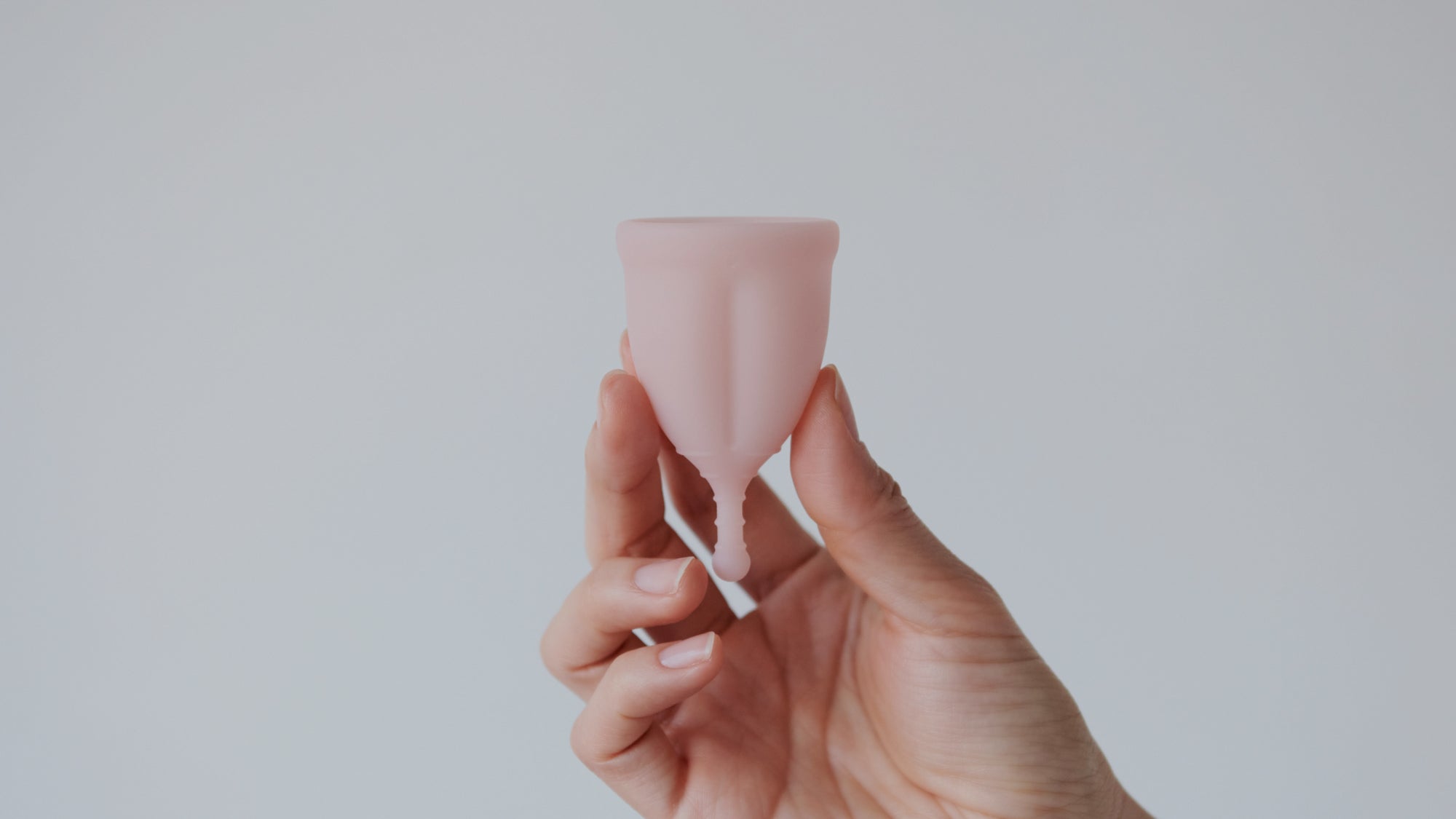
I then started my current job (psychological counseling on love and sexuality). Around this time, I began using cloth pads and became interested in menstruation, becoming interested in menstruation. A beautician recommended cloth pads, and because they keep your body warm and can be used on days other than your period, I felt safe no matter when my period came. I was also interested in menstrual cups and discs, and when I found a menstrual cup on sale at Don Quijote, I decided to give it a try. It was during the COVID-19 pandemic that I bought one. It was a menstrual cup with a ring-type stem (the part at the bottom that supports removal), but I had trouble pulling it out properly. Despite researching and asking others for tips on how to use it, I still struggled to get the hang of it, so I stopped using it. However, after hearing detailed instructions at a murmo event I attended recently, I decided I'd like to try using a menstrual cup again, and I hope it becomes a more widely available menstrual option.
-Looking back on your period, what do you think now?
From my own experience, I have found that living a healthy lifestyle can make your period lighter.
Since my mid-30s, I've been paying attention to my diet and trying to avoid stress, and I've realized that my physical and mental health is reflected in my period. I now believe that it's important to take care of your own body, and I hope that more people will feel the same way.
Note: "My Period" aims to provide an opportunity to think about and talk about menstruation, an issue that is often hidden, by recording and sharing how people of various generations and backgrounds have dealt with it. It does not endorse any specific products, services, or methods of coping. The content posted is based on each person's personal experience, so if you have any symptoms that concern you, please consult a medical institution.