My Period Vol.008 - A college student discovers the option of taking the pill to control her period
Sasshi, 40 years old, temporary worker, first period: 4th-5th grade of elementary school (10 years old)
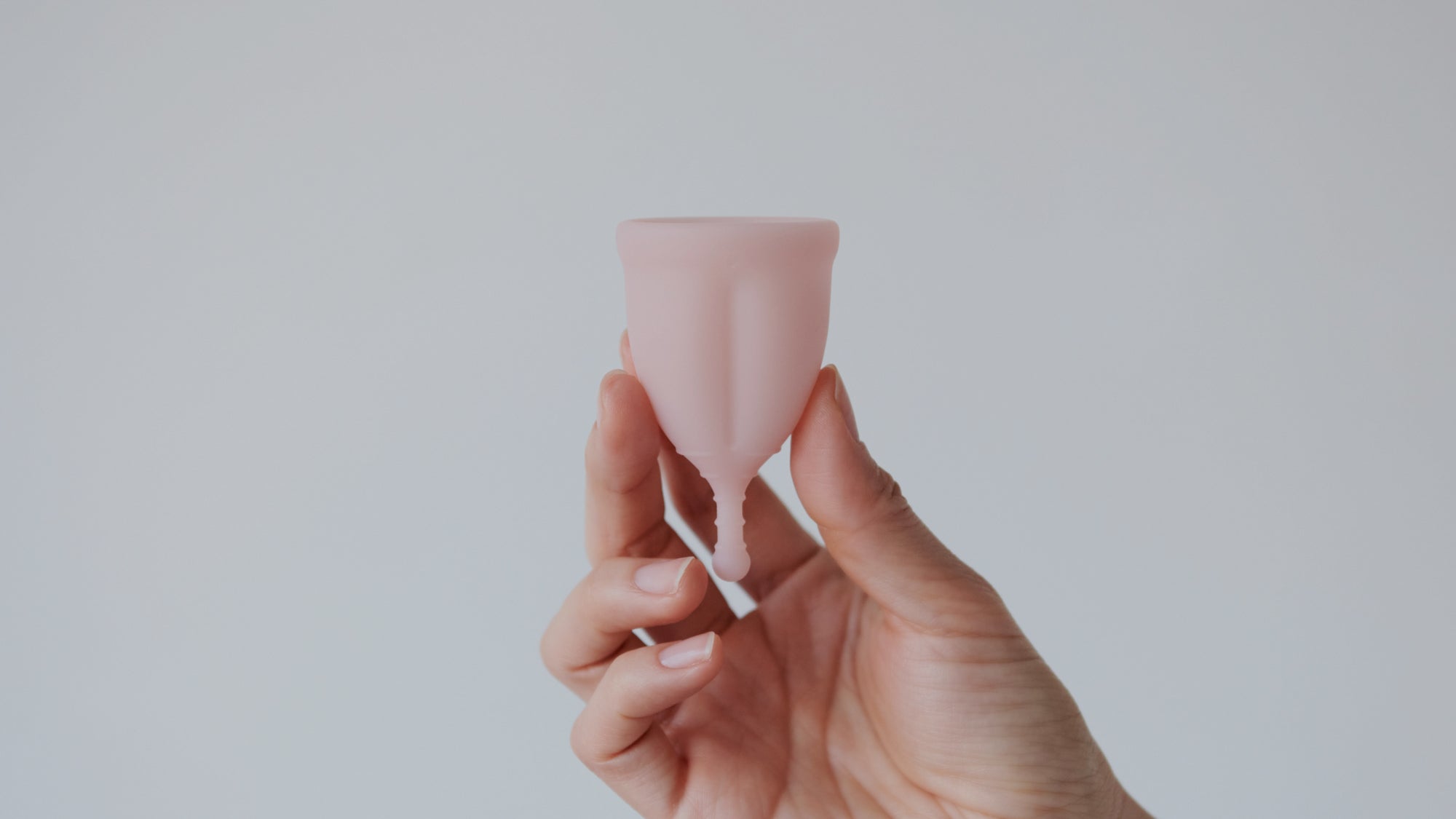
Current average number of menstrual days: 7 days Current average menstrual cycle: 27 days, but recently it has been 2-3 months Current sanitary products used: Menstrual cup + napkins
-What day is your period?
Bad day
-What image comes to mind when you hear the word "menstruation"?
Anxiety, anger, anything unpleasant
- From here on, I'd like to look back on half of my life, focusing on menstruation. When was your first period? How do you remember it?
I remember when I got my period at about 10 years old, I ate a whole cheesecake instead of red rice. I hated red rice, so my mother told me, "It's a celebration of your body, so you can eat all you want by yourself," and I ate a whole cheesecake, my favorite, by myself. I remember feeling lucky to be able to eat cake.
However, I had big breasts even back then, probably from my first period or as a secondary sexual characteristic. So when my period started and my breasts got bigger, I hated the way people looked at me.
I'm not sure if my breasts started to get bigger because of my period, but by the time my period started my breasts had gotten so big that a sports bra would no longer be enough to hold them in. I think they were about a D cup.
During gym class, I felt the boys' gazes on me and thought, "Why?", and girls would ask me questions like, "Why are your breasts so big?" and "How do you make them bigger?" and I thought, "I don't know!". Even though people said things like that, it's not like I wanted to become one either. I remember thinking that this was what it meant to become a woman, and hating it.
Also, I've never been the type to talk about my period with people around me, so I used to wonder why the girls around me were secretly talking about whether or not they had their period. But maybe because I was tall and had big breasts, people thought I knew about these things and would ask me, "What about periods?" Maybe because I hadn't grown up inside at the time, I was confused and would be like, "Huh? I don't know."
-What happened when you became a middle schooler or high school student?
I started attending an all-girls school in junior high, which made me feel more at ease as I was no longer under the gaze of boys. However, my periods got heavier and heavier, and I couldn't move from the kotatsu in the winter, so it was physically exhausting.
This is a bit off topic, but I remember not understanding why girls would go to the bathroom together at school. I used to think, "Why do they have to go together?" and "They should just go to the bathroom by themselves."
In junior high school, I was in a cultural club, so I didn't find my period particularly bothersome, but after I joined a sports club in high school, I started to find it more of a hassle.
I think my menstrual flow increased significantly when I entered high school. I would often leak and soil my underwear, so I had to wear night pads during the day too.
My period pain was fine in the summer but terrible in the winter. I wasn't taking any medicine, but the second day of my period in the winter was the worst, and once I got through that, it felt manageable.
My menstrual cycle was normal and came regularly. When my period came and my underwear got soiled, I would use a napkin, but I never kept a record of it or tried to predict when it would come. When I was in high school, I had more vaginal discharge than my period, so I always used panty liners. In middle school, I also had a lot of vaginal discharge, but I didn't use liners and just washed my underwear by hand.
-What happened when you became a university student?
When I became a university student, started working part-time, and began dating someone, I started taking low-dose birth control pills because I was annoyed by the cycle of menstrual cramps and because I was frustrated with having to rely on a man for birth control.
I think it was when I was a freshman in college, and back then the pill wasn't as common as it is now, so I researched it online and learned about it myself. I then consulted a gynecologist, who prescribed the pill, and I started using it. It suited my body, and I thought it was a revolutionary experience to be able to control my period myself by knowing when my period would come and postponing it if I had plans. It also greatly reduced the risk of pregnancy even if I had sex, so I no longer had a lot of anxiety. Furthermore, my severe period pain gradually subsided, and I was able to go to the gynecologist regularly to get the pill, so it was great to have my worries reduced.
I was scared of going to the gynecologist at first, but I got used to it by going regularly. While the doctor checked my progress, I would talk to him about how my period pain was and hear the results of my checkups. The doctor said that I had a thick endometrium, and that "taking the pill will thin out the uterine lining, so if it's this bad, you probably won't have period pain," and I realized, "Wow, so period pain can change like that." So I continued taking the pill throughout my 20s. It was a great way for me to feel like I was in control of my body.
-Have things changed since you started working?
I've been taking the same pill for over 10 years, since my freshman year of college. I didn't experience any side effects, and while I was taking it, my periods were really regular, my period pain almost completely disappeared, my menstrual flow decreased, and my period, which used to be a solid 7 days before the pill, now ends in 5 days. My period just felt like a period of excretion, and I didn't worry about leaking as much as before, but I still felt uncomfortable when it came, so I thought that was just how it was.
After that, I got married and wanted to have children, so I stopped taking the pill. After giving birth to my second child, my PMS worsened, so I went to the doctor again. I was prescribed a different pill and started taking it. At first, my period would come every few months, but gradually it got longer, and I finally went six months without a period. I thought, "Wow!" But while raising two children, going to the gynecologist every three months became a real hassle. I wasn't sure if the pill was helping with my PMS, or if my discomfort was due to PMS, postpartum effects, or menopausal irritability. While it was physically much easier, I found the time it took to be a hassle. Plus, when I decided to move from Tokyo to Sendai, I realized the hassle of having to find a hospital and go to the doctor again, so I stopped taking the pill when I moved, and I still haven't taken it.
My period generally comes on a cycle, but I record it using an app and the iPhone's Health app. This is the first time I've been able to keep track of my cycle myself. I was on the pill for about 10 years, so now that I've stopped, I feel like I need to keep track of it myself. Looking at the records, I used to think, "My cycle is about 27 days," but my cycle has suddenly become off for the past two months, so I'm thinking I should go see a doctor.
-Looking back on your period, what do you think?
If the pill can make your period once every six months, I think there must be more it can do.
Also, there's something that's always pissed me off about menstruation, or rather about sanitary napkins, and that's when you open the package of sanitary napkins and they have a heart on them. I suppose they're made to look cute to make menstruation a little happier, but where does the idea that women = liking hearts come from? Isn't there some weird bias? I've often thought about these things when it comes to sanitary products. Maybe I'm being contrarian, but I also wonder why I do the same things as everyone else. I think it's easier, but looking back on my life, I wonder if it's okay to just be easy. Sometimes that causes unnecessary conflict (laughs), but I don't think everyone has to go in the same direction, and that's why I chose to take the pill rather than just getting through my period with the usual sanitary products.
I think it's really important to know about the different options available, so I think it's great that so many different things have recently emerged in the femtech field.
"My Period" aims to provide an opportunity to think about and talk about menstruation, an issue that is often hidden, by recording and sharing how people of various generations and backgrounds have dealt with it. It does not endorse any specific products, services, or methods of coping. The content posted is based on each person's personal experience, so if you have any symptoms that concern you, please consult a medical institution.